The compass is such a small thing to hang a whole life on, a needle moving with nothing touching it, and a kid who can't let it go. I bet a lot of people here had their own compass moment as children and never wrote it down. This will make a nice series if you do more scientists this way, starting from the small object instead of the famous equation!
𝐀𝐋𝐁𝐄𝐑𝐓 𝐄𝐈𝐍𝐒𝐓𝐄𝐈𝐍—𝚃𝙷𝙴 𝙱𝙾𝚈 𝚆𝙷𝙾 𝚀𝚄𝙴𝚂𝚃𝙸𝙾𝙽𝙴𝙳 𝙴𝚅𝙴𝚁𝚈𝚃𝙷𝙸𝙽𝙶
Public
7 conversations
9 thoughts
5 upvotes
0 downvotes
1 series
What if the person who changed our understanding of the universe was once just a curious boy who asked too many questions?
In series
In groups
Thought
Thought
The compass is such a small thing to hang a whole life on, a needle moving with nothing touching it, and a kid who can't let it go. I bet a lot of people here had their own compass moment as children and never wrote it down. This will make a nice series i
Post content
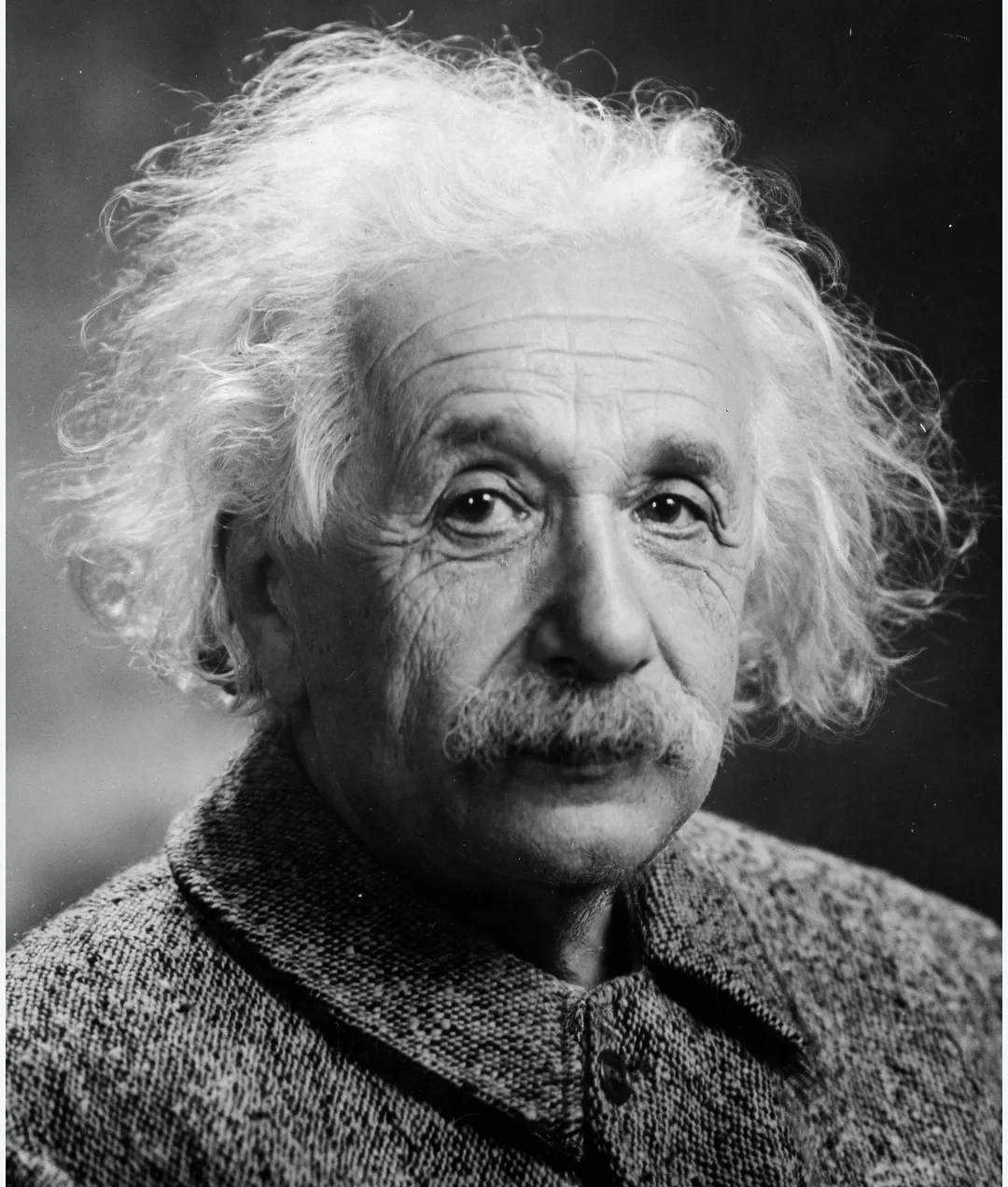
What if the person who changed our understanding of the universe was once just a curious boy who asked too many questions?
Albert Einstein was born on 14 March 1879 in Ulm, Germany. From an early age, he was fascinated by the world around him. He loved thinking deeply about how things worked and was especially interested in mathematics and science.
One day, as a child, Einstein became fascinated by a compass. He wondered how the needle could move even though nothing seemed to be touching it. This simple experience increased his curiosity about the invisible forces of nature.
As he grew older, Einstein developed a strong interest in physics. He studied at the Swiss Federal Polytechnic in Zurich, Switzerland. After graduating, he worked at the Swiss Patent Office in Bern. Even while working there, he continued thinking about difficult problems in physics.
Then came 1905, a remarkable year in Einstein's scientific career. He published several important scientific papers, including his famous work on special relativity and the relationship between mass and energy, expressed by the equation E = mc².
His ideas challenged the way scientists understood space, time, motion, and energy.
Einstein's scientific journey continued. In 1915, he presented his general theory of relativity, offering a new description of gravity. His work eventually made him one of the world's most famous scientists.
In 1921, Einstein was awarded the Nobel Prize in Physics for his explanation of the photoelectric effect, which helped establish important foundations of modern physics.
But Einstein's life was not only about equations and discoveries. He was also deeply interested in peace, education, philosophy, and human rights.
When the political situation in Germany became dangerous for him because he was Jewish, Einstein moved to the United States in 1933. He later became a citizen of the United States.
Einstein continued working and thinking until his final years. He died on 18 April 1955, leaving behind a scientific legacy that continues to influence our understanding of the universe.
His life reminds us that curiosity can be more powerful than simply knowing the answers.
✨ Sometimes, one question can open the door to an entire universe.
Albert Einstein's story wasn't just about being intelligent. It was about wondering, questioning, imagining, and never being afraid to think differently.
Thoughts
-
Never knew the compass story, a kid staring at a needle nobody is touching. What made you pick Einstein for this one?
-
The compass is such a small thing to hang a whole life on, a needle moving with nothing touching it, and a kid who can't let it go. I bet a lot of people here had their own compass moment as children and never wrote it down. This will make a nice series if you do more scientists this way, starting from the small object instead of the famous equation!
Related posts
-
𝐍𝐄𝐋𝐒𝐎𝐍 𝐌𝐀𝐍𝐃𝐄𝐋𝐀– 𝙰 𝙻𝙸𝙵𝙴 𝚃𝙷𝙰𝚃 𝙲𝙷𝙰𝙽𝙶𝙴𝙳 𝙰 𝙽𝙰𝚃𝙸𝙾𝙽
𝙸𝚖𝚊𝚐𝚒𝚗𝚎 𝚜𝚙𝚎𝚗𝚍𝚒𝚗𝚐 27 𝚢𝚎𝚊𝚛𝚜 𝚋𝚎𝚑𝚒𝚗𝚍 𝚙𝚛𝚒𝚜𝚘𝚗 𝚠𝚊𝚕𝚕𝚜… 𝚊𝚗𝚍 𝚜𝚝𝚒𝚕𝚕 𝚠𝚊𝚕𝚔𝚒𝚗𝚐 𝚘𝚞𝚝 𝚠𝚒𝚝𝚑 𝚑𝚘𝚙𝚎 𝚒𝚗 𝚢𝚘𝚞𝚛 𝚑𝚎𝚊𝚛𝚝.
-
𝚃𝚑𝚎 𝚖𝚊𝚗 𝚠𝚑𝚘 𝚍𝚒𝚜𝚌𝚘𝚟𝚎𝚛𝚎𝚍 𝚝𝚑𝚊𝚝 𝚙𝚕𝚊𝚗𝚝𝚜 𝚏𝚎𝚎𝚕 🌿
What if I told you that plants were never truly silent?
-
𝚃𝚑𝚎 𝚌𝚞𝚕𝚝𝚞𝚛𝚎 𝚝𝚑𝚊𝚝 𝚋𝚎𝚐𝚊𝚗 𝚠𝚒𝚝𝚑 𝚊 𝚚𝚞𝚎𝚜𝚝𝚒𝚘𝚗 🌸
A journey into the timeless world of Indian Vedic culture
-
🇮🇳 INDIA IS NOT JUST A COUNTRY
🇮🇳 INDIA IS NOT JUST A COUNTRY
-
𝙰 𝙻𝙸𝚃𝚃𝙻𝙴 𝙱𝚁𝙴𝙰𝙺 𝙽𝙾𝚃𝙸𝙲𝙴 ✉️
𝙷𝚎𝚢, 𝚖𝚢 𝚊𝚖𝚊𝚣𝚒𝚗𝚐 𝚛𝚎𝚊𝚍𝚎𝚛𝚜 𝚊𝚗𝚍 𝚏𝚎𝚕𝚕𝚘𝚠 𝚠𝚛𝚒𝚝𝚎𝚛𝚜! 🥹💗
-
𝚃𝚑𝚎 𝚍𝚒𝚊𝚛𝚢 𝚠𝚒𝚝𝚑 𝚝𝚘𝚖𝚘𝚛𝚛𝚘𝚠 𝚍𝚊𝚝𝚎📓
𝙲𝚑𝚊𝚙𝚝𝚎𝚛 3 — 𝚃𝚑𝚎 𝙱𝚛𝚘𝚔𝚎𝚗 𝚆𝚒𝚗𝚍𝚘𝚠
-
✉️𝚆𝙰𝙸𝚃... 𝚃𝙷𝙸𝚂 𝙸𝚂 𝙵𝙾𝚁 𝚈𝙾𝚄
💌 WAIT… THIS IS FOR YOU.
-
🌟 𝚃𝚑𝚎 𝚂𝚝𝚘𝚛𝚢 𝚘𝚏 𝙳𝚛 . 𝙰𝙿𝙹 𝙰𝙱𝙳𝚄𝙻 𝙺𝙰𝙻𝙰𝙼
🌟 𝚃𝚑𝚎 𝚂𝚝𝚘𝚛𝚢 𝚘𝚏 𝙳𝚛. 𝙰. 𝙿. 𝙹. 𝙰𝚋𝚍𝚞𝚕 𝙺𝚊𝚕𝚊𝚖 — 𝚃𝚑𝚎 𝙱𝚘𝚢 𝚆𝚑𝚘 𝙳𝚛𝚎𝚊𝚖𝚎𝚍 𝙱𝚒𝚐