Checking the source helps less than people expect. Plenty of false stuff comes from solid outlets reporting a real study badly.
Think Beyond: Ideas, Media and Society
Thought
Thought
Checking the source helps less than people expect. Plenty of false stuff comes from solid outlets reporting a real study badly.
Post content
Welcome to Think Beyond: Ideas, Media and Society.
This blog is a space to explore important topics related to critical thinking, media literacy, crime, punishment and society.
Through these posts, I share simple ideas and reflections about how we can analyze information, use digital media responsibly, understand crime and think about justice and prevention.
Think before you believe. Think before you share. Think beyond.
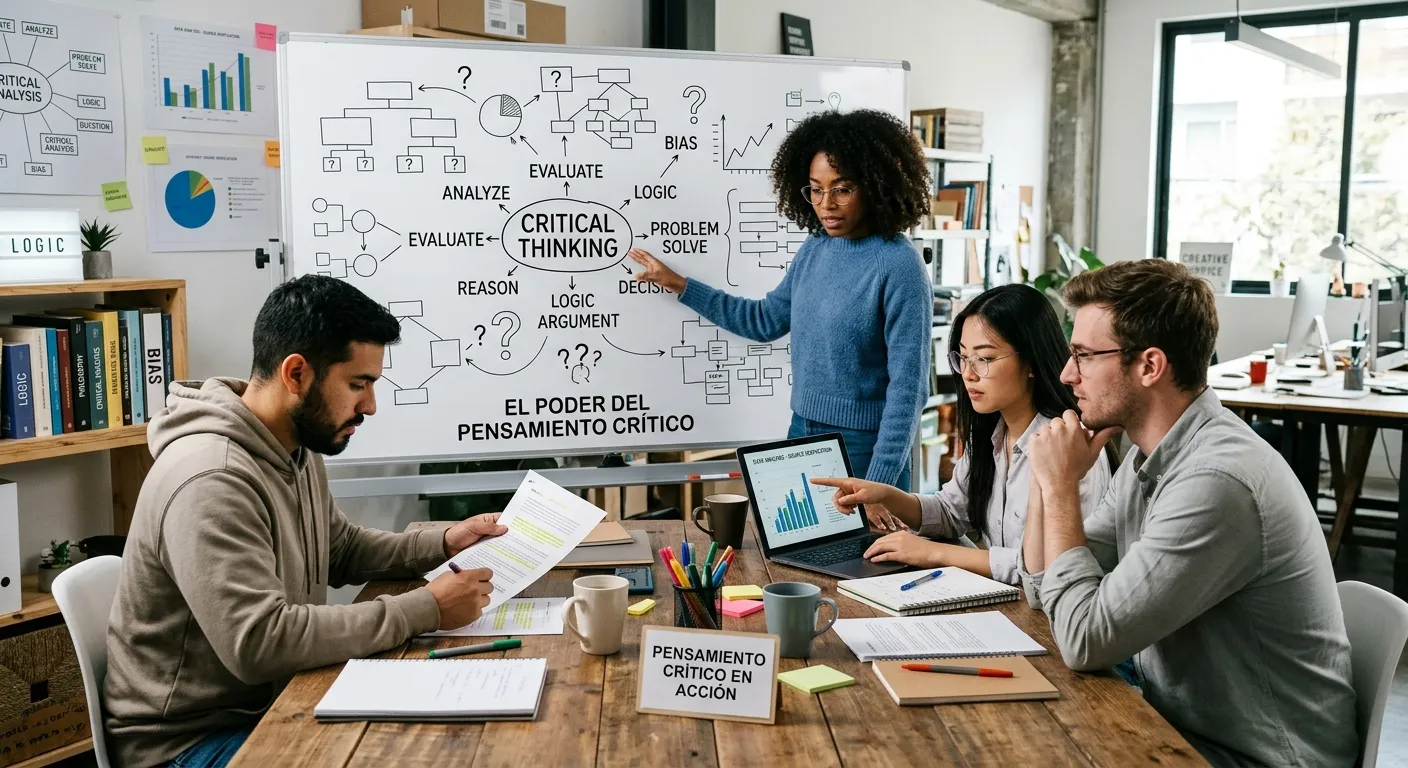
The Power of Critical Thinking
Learning to stop, analyze and think before making a decision.
Critical thinking is an important skill because it helps us analyze information before accepting it as true. Every day, we receive information from social media, websites, television and other sources. Sometimes this information can be incomplete or incorrect.
Critical thinking means asking questions such as: Where does this information come from? Is the source reliable? What evidence supports this idea? Are there other points of view?
For example, when I see a piece of news on social media, I should not immediately believe it or share it. I can check the source, compare the information with other websites and think about whether the information makes sense.
Why is it important?
Critical thinking is useful not only for studying. It can also help us at work and in our personal lives. It allows us to make better decisions and avoid being easily influenced by false or incomplete information.
My Reflection
Critical thinking teaches us to stop, analyze and think before making a decision. I believe this is an important skill in everyday life, especially in a world where we receive so much information every day.
Think Beyond:
Before believing something, ask questions. Before sharing something, check it.
Tags: Critical Thinking, Ideas, Decision Making
Media Literacy in the Digital Age
Understanding the information we consume every day.
Technology has changed the way we receive information. Today, we can find news, opinions, videos and advertisements on social media in only a few seconds.
Media literacy means being able to understand, analyze and evaluate the information we receive from different media. It is important because not everything we see online is true or objective.
When I read a post or watch a video, I should pay attention to who created it, what its purpose is and whether the information comes from a reliable source.
Media and Advertising
Advertisements are also an example of media content. They are designed to influence our decisions and encourage us to buy products or services. Understanding this can help us become more responsible media users.
My Reflection
Media literacy helps us use technology more responsibly. It reminds us that we should not believe or share everything we see online.
Think Beyond:
Being connected is useful, but knowing how to evaluate information is even more important.
Tags: Media Literacy, Digital Media, Technology
Fake News: Think Before You Share
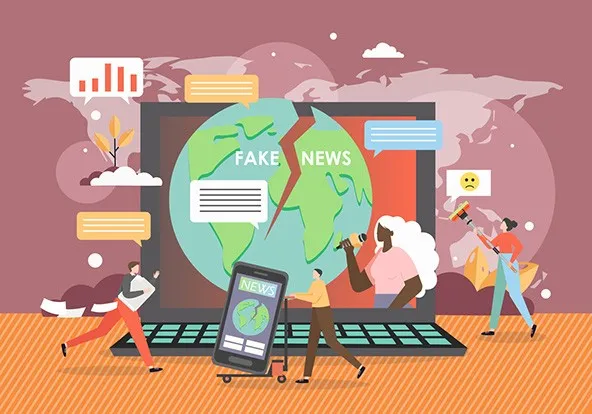
Not everything we see online is true.
Fake news and misinformation can spread very quickly on the internet. A person can share false information with many people in only a few seconds.
Sometimes fake news uses emotional headlines, shocking images or incomplete information to get people's attention. Some people create false information to get views, influence opinions or generate money.
How Can We Identify False Information?
There are some simple steps we can take to identify questionable information. First, we can check the source. Then, we can read the complete article instead of only the headline.
We can also check the publication date and compare the information with other reliable sources.
Think Before You Share
Before sharing information, it is important to stop and think. Sharing false information can affect other people and create unnecessary confusion or fear.
My Reflection
I think we should be more responsible when using social media. A simple action like checking information before sharing it can make a difference.
Remember:
Read. Check. Compare. Think. Then share.
Tags: Fake News, Media Literacy, Information
Understanding Crime in Society
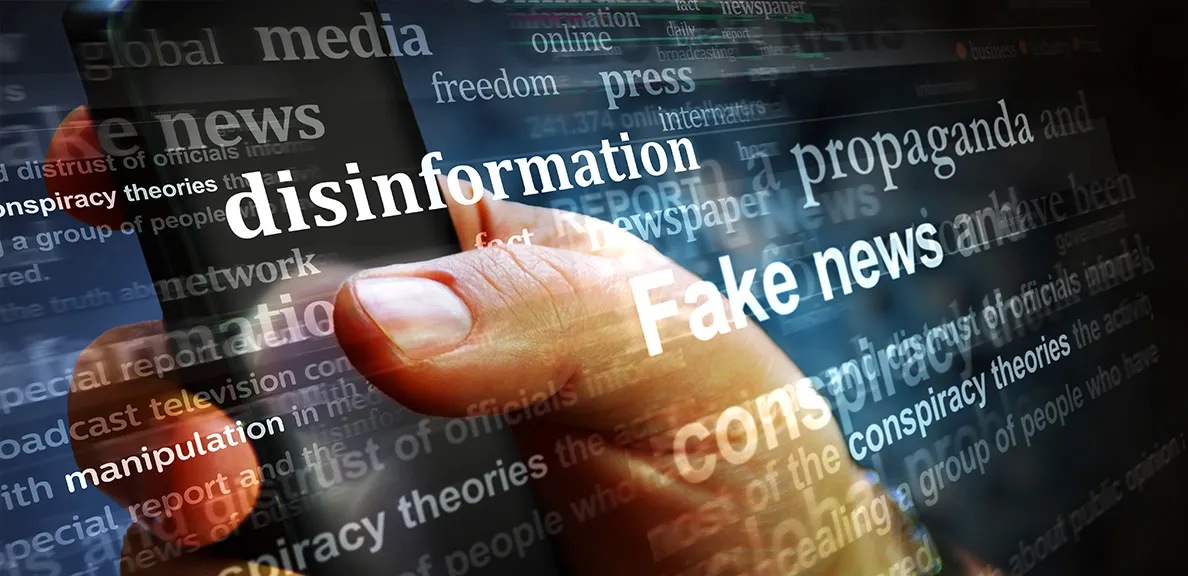
Understanding crime also means understanding its effects on society.
Crime is a problem that can affect individuals, families and communities. There are different types of crime, such as theft, fraud, violence and cybercrime.
Crime can have different causes and can be related to social, economic, family or personal circumstances. However, understanding these circumstances does not mean justifying criminal actions.
When a crime happens, there can be serious consequences for victims, families and communities. People may lose money, feel unsafe or experience emotional problems.
Prevention and Society
For this reason, society needs to think not only about punishment but also about prevention. Education, opportunities, family support and community programs can help reduce some risk factors related to crime.
My Reflection
Understanding crime helps us think about its causes and consequences. I believe prevention and education are also important when building safer communities.
Think Beyond:
Understanding a problem is an important step toward finding ways to prevent it.
Tags: Crime, Society, Prevention
Crime and Punishment: Justice and Responsibility
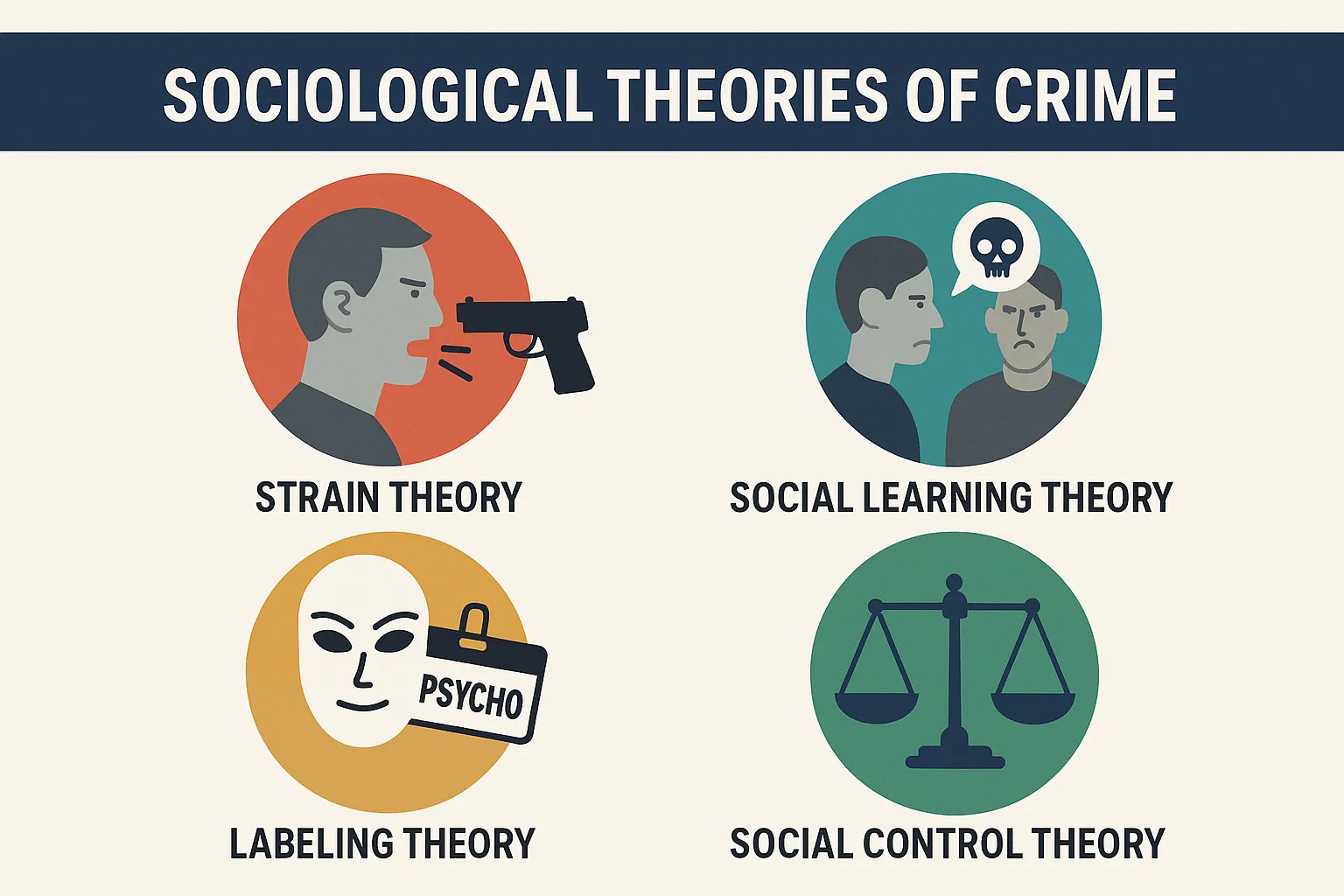
Justice involves responsibility, consequences and respect for the law.
When a person commits a crime, the justice system can establish a punishment according to the law. Punishment can have different purposes, such as holding people accountable, protecting society and preventing future crimes.
However, punishment is not the only part of justice. In some situations, rehabilitation can help people change their behavior and return to society in a positive way.
Justice and Human Rights
It is also important to respect human rights and follow legal procedures. Justice should consider the rights and responsibilities of everyone involved.
A fair society needs laws, responsibilities and consequences for actions. At the same time, it should also look for ways to reduce crime and help people avoid repeating harmful behavior.
My Reflection
Crime and punishment show us the importance of responsibility and justice. I think society needs both accountability and opportunities for positive change.
Think Beyond:
Justice is not only about consequences. It is also about responsibility and the possibility of positive change.
Tags: Crime, Punishment, Justice
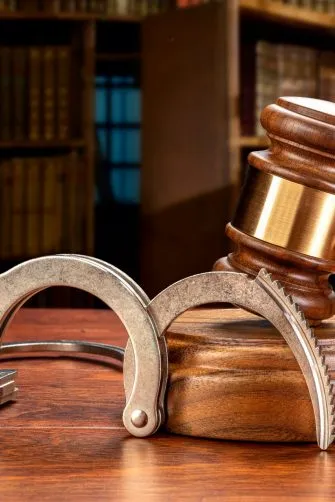
Preventing Crime: A Responsibility for Everyone
Building safer communities is a shared responsibility.
Preventing crime is not only the responsibility of the police or the justice system. Families, schools, communities and individuals can also contribute to prevention.
Education can help people develop values, skills and better opportunities for the future. Families can provide support and guidance, especially to young people. Communities can create safe spaces and activities that encourage positive relationships.
The Role of Technology
Technology can also help prevent some crimes, especially when people learn how to protect their personal information and recognize online risks.
What Can We Do?
As individuals, we can contribute by respecting others, following the law, reporting dangerous situations when appropriate and using social media responsibly.
My Reflection
Crime prevention is a shared responsibility. Small actions from individuals and communities can contribute to creating a safer environment.
Think Beyond:
A safer society begins with responsible actions from everyone.
Tags: Crime Prevention, Society, Responsibility
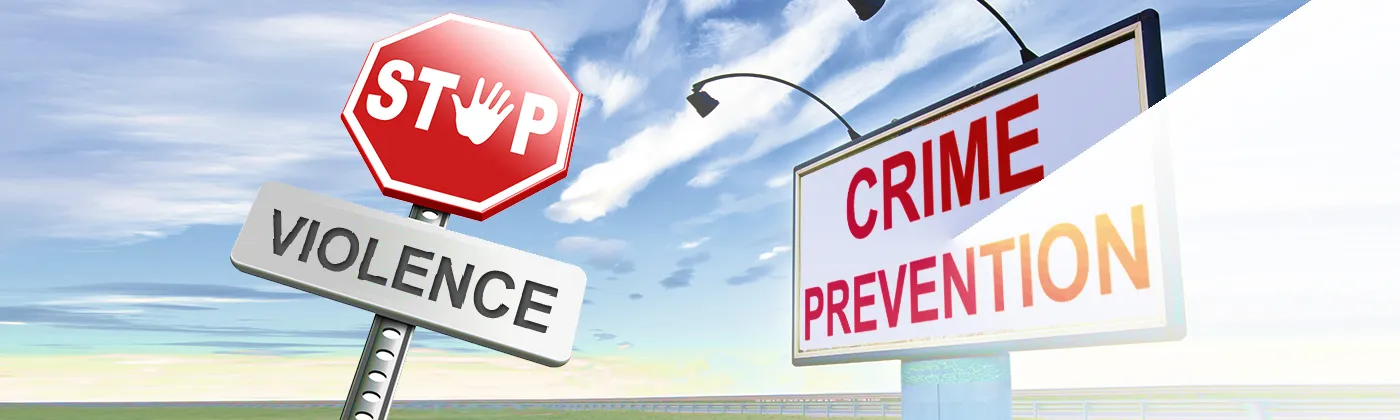
Thoughts
-
Reads like these started as separate posts stitched into one welcome page. I kind of like getting the whole map at once.
-
Amen to checking first.
-
The prevention list names families, schools and communities before the police, which is the order I'd pick too. Those in-between groups keep a street safe long before any sentence gets handed down.
-
The fake news part mentions people who make false info to generate money, and I'd push that further: the platforms get paid on the same click. Asking each of us to check before sharing is fine, but the incentive sits upstream of all of us.
-
Checking the source helps less than people expect. Plenty of false stuff comes from solid outlets reporting a real study badly.
-
Welcome to Seavien! The crime post asks for both accountability and a chance at positive change, and that makes me think of how rarely people online hold both at once, most pick one side and fight. I bet the rehabilitation part is where this blog ends up going deeper. Glad you started it here :)
-
The crime section says understanding causes does not mean justifying them, and that one distinction carries more weight than anything else in the post. Explaining why something happened is a descriptive claim. Excusing it is a normative one. Most online fights about crime are two people treating the first as if it were the second.
Public
5 conversations
12 thoughts
22 upvotes
0 downvotes
0 series
Welcome to Think Beyond: Ideas, Media and Society .