Love the river at dawn. One push though: no difference between people for that moment? I'd bet the women who cooked the kheer and carried those baskets for four days feel the difference in their feet.
𝙲𝙷𝙷𝙰𝚃𝙷 𝙿𝚄𝙹𝙰 -𝚝𝚑𝚎 𝚏𝚎𝚜𝚝𝚒𝚟𝚊𝚕 𝚘𝚏 𝚐𝚛𝚊𝚝𝚒𝚝𝚞𝚍𝚎 𝚝𝚘 𝚝𝚑𝚎 𝚜𝚞𝚗 . ☀️
Public
10 conversations
17 thoughts
16 upvotes
0 downvotes
0 series
🌅 CHHATH PUJA — A FESTIVAL OF FAITH, GRATITUDE & NATURE 🌅
In groups
Thought
Thought
Love the river at dawn. One push though: no difference between people for that moment? I'd bet the women who cooked the kheer and carried those baskets for four days feel the difference in their feet.
Post content
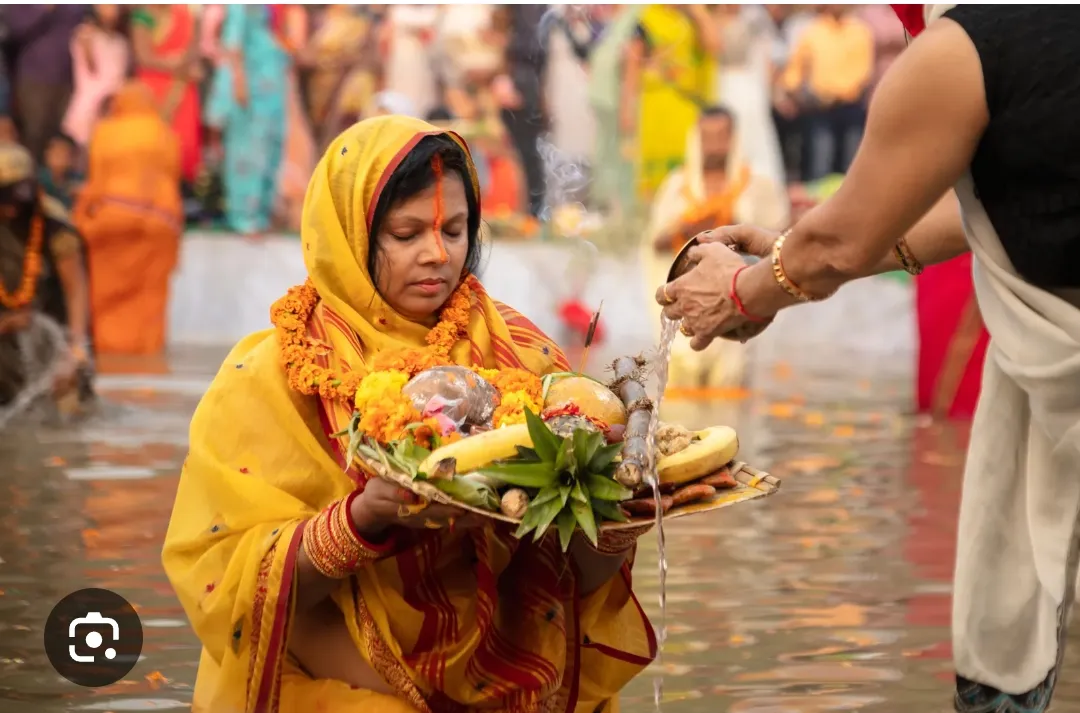
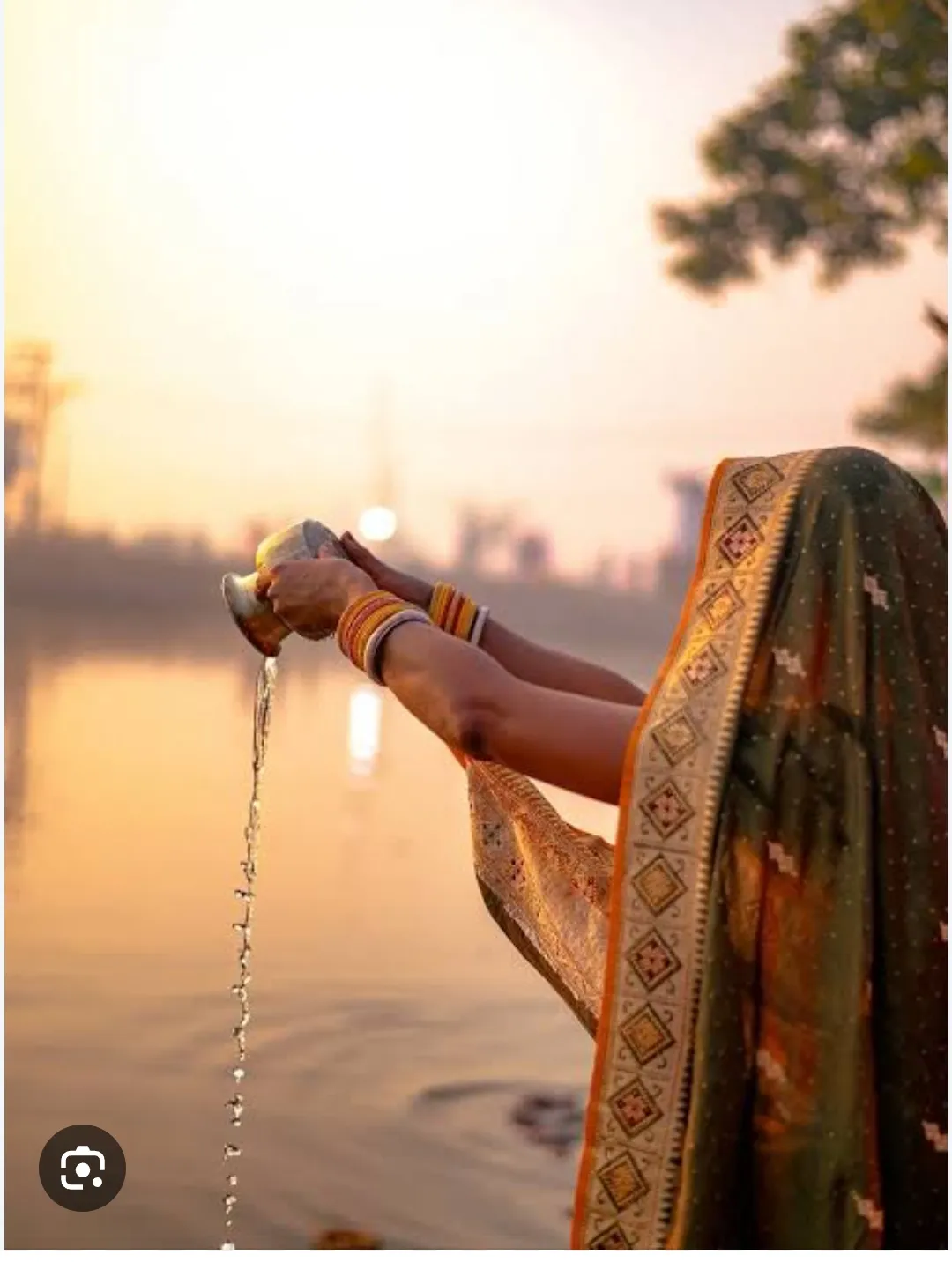
🌅 CHHATH PUJA — A FESTIVAL OF FAITH, GRATITUDE & NATURE 🌅
Have you ever seen a festival where people stand in water, offer prayers to the setting Sun, and then return before sunrise to welcome the first rays of a new day?
That is Chhath Puja — one of the most beautiful and deeply devoted festivals celebrated mainly in Bihar, Jharkhand, eastern Uttar Pradesh, and by communities across India and around the world. 🌍✨
But how did it begin?
🌞 The Story Behind Chhath Puja
Chhath Puja has ancient roots in Indian traditions of worshipping the Sun, the source of light, energy, and life. Its exact historical beginning is difficult to trace, and several stories are connected with the festival.
One popular traditional story comes from the Mahabharata. It is believed that Draupadi worshipped the Sun for strength and blessings. Another tradition connects the festival with Karna, who was known for his devotion to Surya, the Sun God.
There is also a belief that Chhathi Maiya, worshipped during Chhath, is associated with Shashthi Devi, a divine mother connected with the protection and well-being of children.
Whether told through these legends or understood through its ancient nature-worship traditions, Chhath carries the same beautiful message: gratitude for life, nature, family, and the Sun that sustains us. 🌞🌿
🪔 How Is Chhath Puja Celebrated?
Chhath is traditionally observed over four days, with each day having its own significance.
🌿 Day 1 — Nahay Khay
Devotees begin by cleansing themselves and their surroundings. A simple, pure meal is prepared, marking the beginning of the sacred period.
🌾 Day 2 — Kharna
Devotees observe a day-long fast and later prepare offerings such as kheer, roti, and fruits. After the evening prayers, the fast continues according to the traditional observance.
🌅 Day 3 — Sandhya Arghya
This is one of the most beautiful moments of Chhath.
Families carry bamboo baskets filled with fruits and traditional offerings to a river, pond, or other clean water body. As the Sun begins to set, devotees stand in the water and offer Arghya to the setting Sun.
The sky turns golden, lamps glow around the riverbank, traditional songs fill the air, and families pray together. ✨
🌞 Day 4 — Usha Arghya
Before sunrise, devotees return to the water.
Everyone waits quietly for the first golden rays of the morning.
When the Sun rises, Arghya is offered once again. The prayers are completed, and the fast is traditionally broken.
It is a beautiful symbol of hope, renewal, and gratitude.
🌍 Why Is Chhath Puja Celebrated?
Chhath is not simply about asking for blessings.
It is a way of saying thank you.
🙏 Thank you to the Sun for giving us light and energy.
🌱 Thank you to nature for sustaining life.
💛 Thank you for family, health, and happiness.
🌊 And a reminder to respect and protect our rivers and environment.
One of the most beautiful things about Chhath is its simplicity. Devotees traditionally focus on cleanliness, discipline, devotion, and natural offerings rather than elaborate decorations.
And perhaps that is what makes it so powerful.
🌅 More Than a Festival
Imagine this…
The night is slowly disappearing.
The river is quiet.
Hundreds of people wait together.
Then, across the horizon, a tiny ray of sunlight appears.
Everyone raises their offerings toward the rising Sun.
For a moment, there is no difference between people.
Just faith, gratitude, nature, and hope. ❤️
That is the beauty of Chhath Puja.
It reminds us that sometimes the most meaningful celebration is simply to stop, look at the world around us, and say:
“Thank you for this life.” 🌞🙏
🌍 To everyone reading this from India and from different parts of the world — may you discover the beauty behind Chhath Puja, not only as a festival, but as a message of gratitude, purity, nature, and togetherness.
✨ Happy Chhath Puja! ✨
🌅🙏🌿💛
What does gratitude mean to you? Tell me in the comments. ❤️
Thoughts
-
Who in your family keeps the full fast right through to sunrise on day 4?
-
One November I had a load of families on the first run out towards the canal, all dressed up, carrying big flat baskets of fruit on a bus at half five in the morning. I did not know what it was. One lady told me they were going to stand in the water for the sun and I said it would be freezing, and she laughed at me. That will have been this. Anyway.
-
Love the river at dawn. One push though: no difference between people for that moment? I'd bet the women who cooked the kheer and carried those baskets for four days feel the difference in their feet.
-
I bet the grandmothers keeping the full fast are the calmest people in the water at dawn. Slow and steady is how a body gets through a stretch like that.
-
A fast that starts on day 2 and runs to sunrise on day 4, and then you stand in a river on top of it. That is devotion for sure, and also a serious bit of endurance nobody preps for.
-
The bamboo baskets carried down to the water on day 3 makes me think of how most festivals end up being about noise and crowds, and this one asks people to stand still in a river while the sun goes down. I bet the quiet before sunrise on the last morning is the part people carry with them all year. Happy Chhath to you and your family!
-
Thanking the setting sun first, before the rising one, is the bit I keep turning over. Most rituals I know are about welcoming something in. Standing in a river to thank the light that is leaving, then waiting in the dark for it to come back, feels like a whole lesson in letting go folded into four days.
Related posts
-
𝙰 𝙻𝙸𝚃𝚃𝙻𝙴 𝙱𝚁𝙴𝙰𝙺 𝙽𝙾𝚃𝙸𝙲𝙴 ✉️
𝙷𝚎𝚢, 𝚖𝚢 𝚊𝚖𝚊𝚣𝚒𝚗𝚐 𝚛𝚎𝚊𝚍𝚎𝚛𝚜 𝚊𝚗𝚍 𝚏𝚎𝚕𝚕𝚘𝚠 𝚠𝚛𝚒𝚝𝚎𝚛𝚜! 🥹💗
-
✉️𝚆𝙰𝙸𝚃... 𝚃𝙷𝙸𝚂 𝙸𝚂 𝙵𝙾𝚁 𝚈𝙾𝚄
💌 WAIT… THIS IS FOR YOU.
-
🌟 𝚃𝚑𝚎 𝚂𝚝𝚘𝚛𝚢 𝚘𝚏 𝙳𝚛 . 𝙰𝙿𝙹 𝙰𝙱𝙳𝚄𝙻 𝙺𝙰𝙻𝙰𝙼
🌟 𝚃𝚑𝚎 𝚂𝚝𝚘𝚛𝚢 𝚘𝚏 𝙳𝚛. 𝙰. 𝙿. 𝙹. 𝙰𝚋𝚍𝚞𝚕 𝙺𝚊𝚕𝚊𝚖 — 𝚃𝚑𝚎 𝙱𝚘𝚢 𝚆𝚑𝚘 𝙳𝚛𝚎𝚊𝚖𝚎𝚍 𝙱𝚒𝚐
-
𝙿𝚎𝚛𝚒𝚘𝚍𝚜 𝚊𝚛𝚎 𝚗𝚘𝚝 𝚓𝚘𝚔𝚎 🩸
Anaya was a student in Class 6. One day during school, she got her period unexpectedly. She felt nervous and quietly asked her teacher for help.
-
𝘼𝙣𝙣𝙤𝙪𝙣𝙘𝙚𝙢𝙚𝙣𝙩 📢
𝙰𝚕𝚕 𝚖𝚢 𝚜𝚎𝚊𝚟𝚒𝚎𝚗 𝚞𝚜𝚎𝚛𝚜 𝚏𝚛𝚒𝚎𝚗𝚍.
-
𝗥𝘂𝗹𝗲𝘀 𝗳𝗼𝗿 𝘁𝗲𝗲𝗻𝗮𝗴er🌼
𝗧𝗵𝗲𝗿𝗲 𝘀𝗵𝗼𝘂𝗹𝗱 𝗯𝗲 𝟯 𝗺𝗮𝗶𝗻 𝘀𝗹𝗼𝗴𝗮𝗻 𝗳𝗼𝗿 "𝘁𝗲𝗲𝗻𝗮𝗴𝗲𝗿".
-
🇮🇳 INDIA IS NOT JUST A COUNTRY
🇮🇳 INDIA IS NOT JUST A COUNTRY
-
𝚂𝚑𝚘𝚞𝚕𝚍 𝙸 𝚜𝚝𝚘𝚙 𝚠𝚛𝚒𝚝𝚒𝚗𝚐 𝚗𝚘𝚟𝚎𝚕
Dear all my friends. 🌸