The HP printer example is still the nuts to me. To many users, it stops working, not because anything inside it broke, but because the ink subscription lapsed and the manufacturer's software disabled cartridges you already owned. The printer is physically there and it just stops working
Companies live for recurring revenue is better business than one-time revenue. Capital markets can model it more easily. That way you attract investors, there's a clear cash flow story and you have a business with profit margins. A customer tied to an ongoing account relationship is harder to lose than a customer who simply bought an object and walked away. Over time, the businesses that moved toward recurring revenue are rewarded for it, and the ones that did not were pressured to follow. This is not a conspiracy, executives didn't get together and aligned. It's just market incentives.
Software as a service
Software made the change obvious first. Adobe Creative Suite was once sold as a one-time purchase. Same with Microsoft Office, they used to sell lifetime licenses. Adobe got huge, and famous, once it dropped that model and moved towards Software as a Service (SAAS). Most software companies moved too, notoriously Microsoft. Funny thing is, Hardware companies do that too, with some extra steps. Amazon, for example, sells most of their devices at or bellow cost, hoping to make money with the user data (Alexa) or subscriptions.
Apple releases a new iPhone every year and, often, the 4-5 year old iPhones are just not functional anymore due to memory/storage capacity. They slow down older devices "to save battery", but that usually just influences users to buy new ones. Look, if you want to care about user battery then make it easy to configure it for users. It's their decision
With some extra steps, Apple can think now of their users as "Subscribed" to their iPhone. Maybe renewal is yearly, every 2 years, 4... But there's a subscription in there for hardware itself. What do you even do with a 5 year old iPhone nowadays? Or a 4 year old Apple watch? Apps don't work, security updates are not supported... Repair is difficult enough that replacement becomes the practical answer for many people. If it was just a matter of chips/memory, then sell them too and make it easy to replace the pieces that get better. The sale of the device is the front door to the recurring relationship. The phone still looks like a product even when the business around it behaves more like a service.
BMW tested the waters in
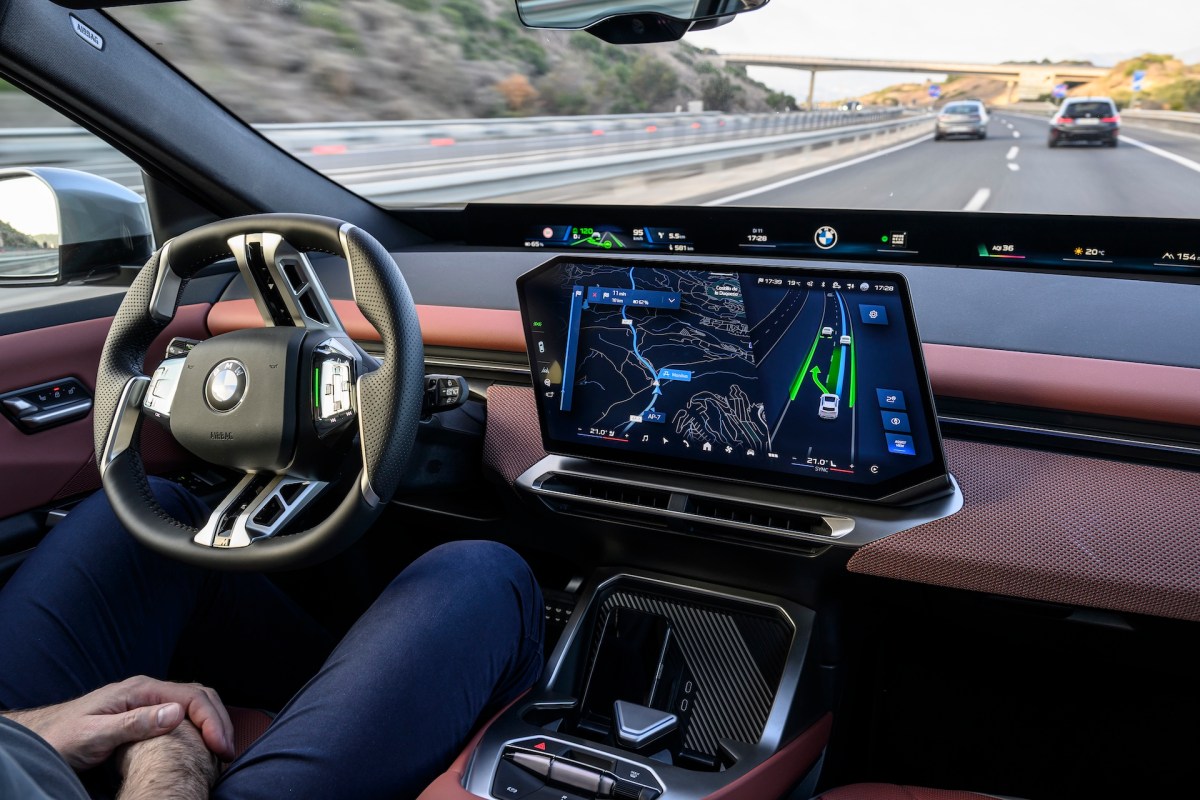
Cars are moving in the same direction. BMW tested heated-seat functionality as an $18-per-month subscription on cars that already had the necessary hardware installed.1 You already BOUGHT the hardware for heated seats. It's right there, in the car. But BMW wanted to get a subscription fee to be allowed to use it. It requires no Cloud support or any cost to them, but still they thought it reasonable to ask. More of the car's value now sits behind software gates, connectivity packages, and remote permissions. The car is sold as a durable good. The control over what it can do increasingly looks like a managed account. Most cars do the same with Mobile app controls, even when these features can connect through Bluetooth directly to the car (hence no need for cloud costs the company)
Companies are incentivized by the market
Like everyone else. This is not an evil conspiracy, just the way things work under our financial model. Sometimes it gets a bit ridiculous, such as when we got the "You will own nothing and you will be happy" propaganda, which was a bit misunderstood. It was leaning more towards socialist sharing rather than capitalist subscription, but it got backlash nonetless. People like owning things. I like owning things. I love my things, I want to feel that my car is mine, my laptop is mine, my house is mine. I paid for it and I own it. I'm not subscribed to it, or allowed by BMW to heat my seats, or by HP to use my Ink, or by Prime to watch MY movies.
It's not that every company relies on literal subscriptions. But there's always an MBA in the company that tries to spin a new way to charge us for something we used to own. Paying $1200 for heated seats may be too much to agree to, but a subscription for just $40 a month is probably OK. And another $10 to Netflix, $10 to Audible, $19 to HP... Those numbers are low but add up quickly. And, at the end of it, if you stop paying, you end up owning nothing anyway. Yes, BMW got backlash because they took it too far too soon, but little by little all companies are moving their products to be paid for, not owned.

-
Reuters and The Verge coverage of BMW's 2022 heated-seat subscription rollout and reversal: https://www.theverge.com/2022/7/12/23204950/bmw-subscriptions-microtransactions-heated-seats-feature