When purchasing or supplying products in European markets, one of the most recognisable regulatory symbols is the CE mark. It appears on a wide range of products, from electrical equipment and machinery to certain medical devices and other regulated products.
Despite its widespread use, there is often confusion about the CE mark meaning, what a CE label actually demonstrates, and whether CE marking should be considered a form of certification.
For manufacturers, importers and product developers, understanding these distinctions is important before placing a regulated product on the market.

What Is the CE Mark?
For anyone asking what is the CE mark, it is a marking used to indicate that a manufacturer declares that a product conforms with applicable EU requirements that provide for CE marking.
It is important to understand that CE marking is not simply a quality badge or marketing logo.
Before a product is CE marked, the manufacturer generally needs to identify the applicable legislation, determine the relevant requirements, complete the appropriate conformity assessment, prepare supporting technical documentation and issue the required declaration.
The exact process varies considerably depending on the product.
Manufacturers seeking support with this process can review CE Marking Authority's CE marking services and compliance guidance.
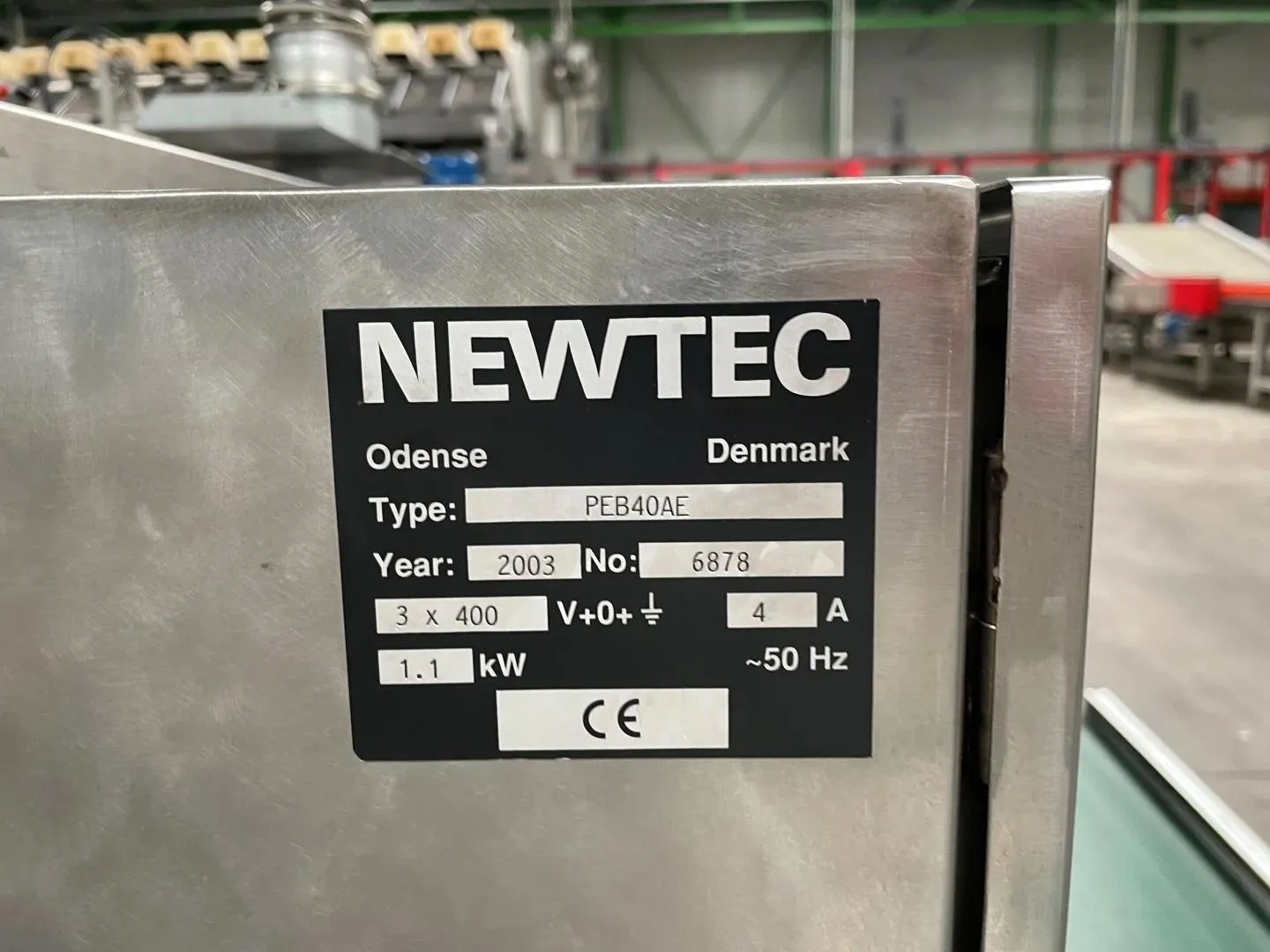
What Does the CE Mark Mean?
The CE marking meaning is sometimes misunderstood as indicating that a product has been individually approved by the European Union.
That is not generally how the system works.
The CE marked meaning is more accurately connected with the manufacturer's declaration of conformity with the applicable EU harmonisation legislation requiring CE marking.
For some products, manufacturers can perform the applicable conformity assessment without mandatory involvement from a third-party conformity assessment body. Other products or conformity routes may require a Notified Body.
This is why manufacturers should establish the applicable regulatory route before making claims about CE approval or certification.
CE Label, CE Logo and CE Mark Symbol
Terms such as CE label, CE logo and CE mark symbol are often used interchangeably when discussing the physical marking displayed on a product.
However, applying the symbol is generally one of the final stages of the conformity process—not the starting point.
Manufacturers need to ensure that the CE marking is applied according to the applicable requirements. In general, it should be visible, legible and indelible, subject to the rules applicable to the particular product.
Simply downloading a CE logo and placing it on a product does not make that product compliant.
The technical and regulatory work supporting the marking must already have been addressed.
What Is CE Marking Certification?
Another common question is what is CE marking certification?
The terminology can be confusing because CE marking does not always involve obtaining a standalone “CE certificate.”
The required conformity assessment procedure depends on the product and applicable legislation.
For certain products, third-party assessment by a Notified Body may be required. For others, the manufacturer may be permitted to carry out the required conformity assessment itself and prepare the necessary documentation and declaration.
Manufacturers should therefore avoid assuming that purchasing a certificate from a third party is automatically sufficient for CE compliance.
The correct approach starts with product classification and identification of the applicable legislation.

What Does Being CE Labelled Involve?
When a product is described as CE labeled or CE marked, there should be an appropriate conformity process behind the marking.
Depending on the product, this may involve:
-
Identifying applicable EU directives and regulations
-
Determining relevant essential requirements
-
Identifying appropriate harmonised standards
-
Conducting necessary testing or engineering assessments
-
Completing risk assessments where applicable
-
Preparing technical documentation
-
Completing the required conformity assessment procedure
-
Preparing an EU Declaration of Conformity where required
-
Applying the CE marking correctly
The exact requirements vary according to the product category.
CE Marking UK: What Manufacturers Should Understand
The phrase CE marking UK requires particular care because the regulatory position differs between Great Britain and Northern Ireland, and rules can also vary according to the product sector.
Manufacturers should therefore avoid assuming that one marking approach automatically applies throughout every UK market.
Before supplying products, businesses should check the current requirements for the specific product and destination market.
This is particularly important for international manufacturers selling the same product into the EU, Great Britain and Northern Ireland.

CE Marking and Medical Device Compliance
Medical device compliance is a specialist area where manufacturers need to identify the applicable regulatory framework and product classification before determining the appropriate conformity route.
Depending on the device, the compliance process can involve quality-management requirements, technical documentation, clinical evidence, risk management and conformity assessment.
The involvement of a Notified Body can also depend on the device classification and applicable legislation.
Therefore, manufacturers should not treat medical-device CE marking as identical to the process for general machinery or electrical equipment.
Why the CE Symbol Is Only Part of Compliance
The visible CE symbol may be the part customers recognise, but the work supporting that symbol is considerably more important.
A properly structured conformity process provides the evidence explaining why the manufacturer considers the product compliant with the applicable requirements.
This is why CE marking should be considered during product development rather than immediately before shipment.
Early regulatory planning can help manufacturers identify applicable requirements, necessary testing and documentation before product changes become expensive or disruptive.
Building a Clear CE Marking Strategy
Understanding what is CE mark, what the CE mark symbol represents and what is required before applying a CE label can help manufacturers avoid a common mistake: treating CE marking as simply a logo or certificate.
The appropriate route depends on the product, its intended use and the legislation that applies.
CE Marking Authority provides professional CE marking and product compliance support for manufacturers that need assistance identifying applicable requirements, conformity procedures, technical documentation and the steps required before applying the CE marking.
A well-planned compliance strategy helps ensure that the CE mark is supported by the technical and regulatory evidence required for the product.