When planning a remodel or floor replacement, natural timber floors look fantastic on Pinterest boards, but real-world budgets and daily messes tell a different story. If you run a household with kids, dogs, muddy shoes, or damp basement slabs, solid timber often turns into an expensive, high-maintenance worry.
That reality is why vinyl wood flooring has quietly become the most requested home surface across modern renovation projects. Property owners across the DMV market routinely tell our installation crew at FIXO (fixodmv.com) that they just want something that looks like real white oak or walnut without the anxiety of water damage, gouging, and thousands of dollars in routine sanding.
Still, aggressive marketing campaigns have painted luxury vinyl as completely indestructible. That is simply untrue. Vinyl has quirks, installation traps, and distinct structural limitations. If you lay it over a wavy subfloor or clean it with the wrong kitchen soap, it will fail just like any other synthetic surface.
This comprehensive guide pulls straight from practical job-site experience to address every question homeowners ask about vinyl wood planking: true turnkey pricing, real architectural downsides, direct material face-offs, and how to stop everyday mistakes from ruining your boards.
Table of Contents
What Is Vinyl Hardwood Flooring Actually Called?
Homeowners often walk into retail showrooms or call our estimator asking for "vinyl hardwood." In the building and remodeling trade, however, that phrase is a contradiction in terms. Wood is an organic fibrous timber; vinyl is an engineered synthetic polymer.
When contractors, builders, and manufacturers discuss this material, they use industry-standard terms categorized by plank shape, thickness, and core engineering:
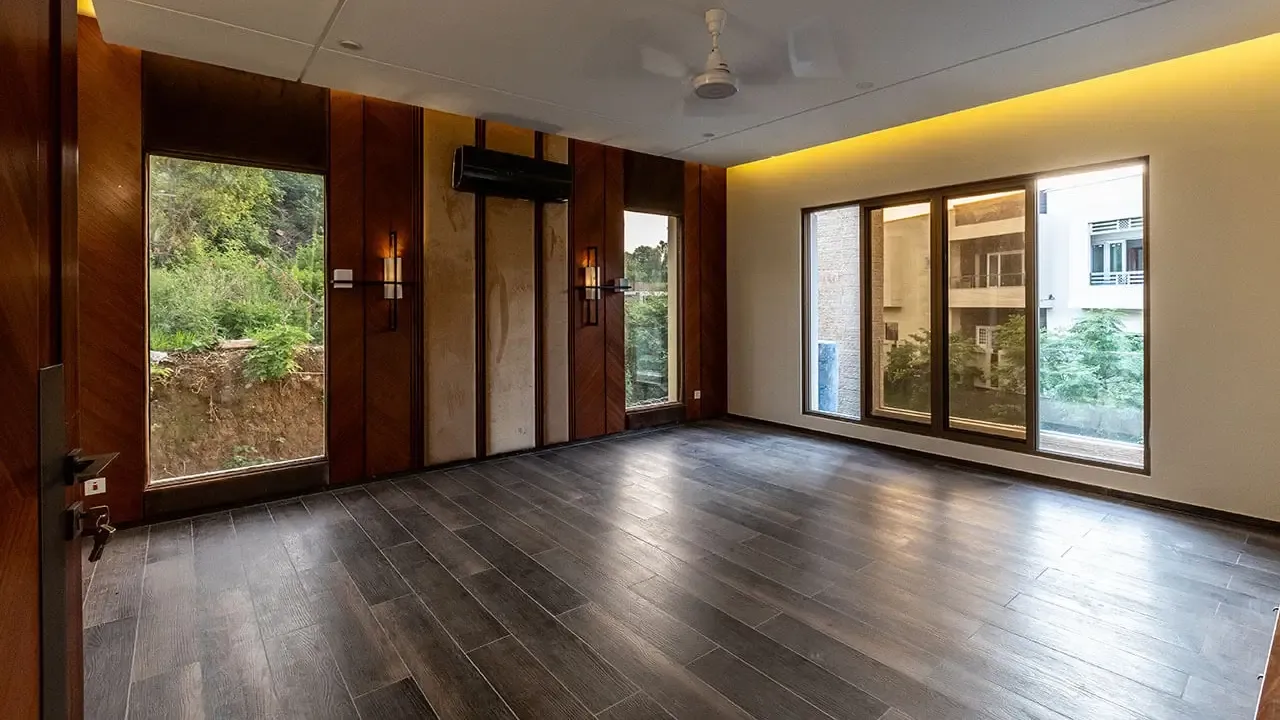
1. Luxury Vinyl Plank (LVP)
LVP is the umbrella term for vinyl manufactured into long, narrow planks specifically styled to replicate hardwood boards. These planks feature high-definition photographic print layers, embossed grain textures that align with the visual knots (known as embossed-in-register, or EIR), and painted or micro-beveled edges that separate individual boards visually.
2. Luxury Vinyl Tile (LVT)
LVT shares the identical multi-layer construction of LVP but comes pressed into rectangular or square formats designed to imitate stone, poured concrete, slate, or decorative ceramic tiles.
3. Stone Plastic Composite (SPC)
Also referred to as "rigid core luxury vinyl," SPC is the current commercial and residential standard. The core is manufactured by blending pulverized limestone powder with polyvinyl chloride and specialized stabilizers. It is remarkably dense, dimensionally stable through temperature shifts, and holds up against sharp point impacts from heavy dining sets, kitchen islands, and dropped objects without puncturing.
4. Wood Plastic Composite (WPC)
WPC cores combine virgin vinyl, recycled wood pulp or flour, and foaming agents. This air-infused core creates a thicker, softer, and noticeably quieter plank under bare feet. While warmer and gentler on joints than dense SPC, WPC is slightly more prone to deep surface dents if exceptionally heavy furniture rests on small feet without protective pads.
How Much Does It Cost to Install 1,000 Square Feet of Vinyl Plank?
Calculating the real investment for a new floor requires looking well beyond the advertised per-square-foot material price. A successful, warrantied installation accounts for subfloor grinding or leveling, demolition of existing surfaces, baseboard removal, transitions, and material waste cuts.
For a standard 1,000-square-foot residential area (such as an open-concept main floor or a finished basement), homeowners can expect a realistic turnkey investment between $3,600 and $8,800 fully installed.
Breaking these numbers down line by line clarifies where the budget actually goes:
Plank Material Costs: Entry-level builder boards run from $1.60 to $2.30 per square foot, offering thin 6 to 8 mil wear layers meant for low-traffic bedrooms. Mid-grade residential planks cost between $3.00 and $4.50 per square foot and feature dependable 12 to 20 mil wear layers with attached sound-dampening pads. High-end commercial-grade lines reach $5.00 to $8.00 or more per square foot, providing rugged 22 to 30+ mil armor coats alongside deep EIR grain patterns. Across 1,000 square feet, materials account for $1,600 to $8,000 depending entirely on chosen quality.
Subfloor Preparation and Leveling: Expect to invest $0.50 to $1.60 per square foot for typical patching, scraping, and minor floor-patch fills. If a home has severe settlement dips or uneven concrete requiring self-leveling underlayment pours, prep can climb to $2.20 to $4.00 or more per square foot ($500 to $4,000 overall).
Professional Installation Labor: Certified installers typically charge $1.50 to $2.00 per square foot for simple, open layouts, $2.50 to $3.50 per square foot for typical residential layouts with doorways and closets, and $3.80 to $5.00 per square foot for complex patterns like herringbone or multi-room jobs with tricky staircases.
Acoustic Underlayment: Planks with pre-attached IXPE foam add no extra pad cost. If boards come unbacked, rolling out dedicated high-density acoustic foam or natural cork costs between $0.40 and $0.85 per square foot ($400 to $850 total).
Transitions and Moldings: Quarter-round shoe moldings, color-matched T-moldings, stair noses, and doorway reducers add another $250 to $750 across an entire floor layout.
The Genuine Downsides and Disadvantages of Vinyl Plank
No building material is without flaws. While luxury vinyl solves the constant worry of water damage, it introduces specific structural behaviors that every buyer should evaluate before pulling the trigger.
1. Telegraphing and Subfloor Intolerance
Vinyl planks are semi-flexible. If your concrete slab has trowel ridges, or your plywood subfloor has high joist seams or low dips deeper than 3/16-inch across a 10-foot span, those imperfections will transfer directly to the finished floor over time. This flaw is called "telegraphing." Within six to twelve months of daily walking, you will feel and see those ridges through the plank surface, and persistent deflection will snap the fragile plastic locking tongues.
2. Complete Inability to Sand or Refinish
When genuine solid oak or maple gets scratched, dented, or faded after fifteen years of heavy foot traffic, you simply hire a refinishing crew to sand away the top fraction of an inch, apply a fresh stain, and seal it for another two decades. With luxury vinyl, you cannot sand. If an unpadded cast-iron table leg gouges through the clear wear layer into the printed pattern film, your only recourse is surgically cutting out the damaged board or unclicking the floor from the nearest perimeter wall.
3. The "Hollow Click" Sound Profile
Because click-lock vinyl floats over a vapor barrier or subfloor without being embedded in mortar or nailed down, it sounds different underfoot. In walking shoes, athletic sneakers, or when dog claws click across the floor, poorly insulated vinyl produces an audible plastic echo. While high-grade attached IXPE foam dampens this sound, it will never yield the dense, grounded feel of nailed tongue-and-groove hardwood or mortared porcelain.
4. Real Estate Resale Perception
While high-end vinyl plank improves the value of starter homes, finished basements, and rental portfolios, it does not hold the appraised equity of authentic site-finished hardwood in mid- to upper-tier custom properties. Knowledgeable buyers recognize it as a cost-effective, practical synthetic.
Head-to-Head Comparison: Vinyl vs. Laminate vs. Tile vs. Carpet
Selecting the right floor depends on where the material will live, how much ambient moisture is present, and what kind of abuse the surface must withstand every day.
Looking at each surface individually helps highlight these trade-offs:
Luxury Vinyl Plank (LVP): Installed at an average turnkey rate of $4.00 to $8.00 per square foot, LVP delivers total waterproof performance from top to core, making it the premier option for basements, bathrooms, and laundry areas. Its scratch resistance is very good when built with thick wear layers, and typical residential life spans range from 15 to 25 years.
High-Performance Laminate: Averaging $3.50 to $7.00 per square foot installed, laminate features an aluminum-oxide coating with AC4 or AC5 commercial scratch ratings that outperform vinyl against claw marks. However, its compressed wood fiber core swells irreversibly if moisture gets past the seams, making it ideal for dry living areas and second-story bedrooms, but poor for wet zones. Expected longevity spans 12 to 20 years.
Porcelain and Ceramic Tile: Running $9.00 to $18.00 or more per square foot installed, tile provides an impervious, permanent surface that can easily last 40 to 50+ years. It will never scratch from foot traffic, though blunt impacts can crack a tile. It works best in mudrooms, utility rooms, and showers, but feels cold and hard underfoot.
Broadloom Wall-to-Wall Carpet: At an entry price of $2.50 to $5.50 per square foot installed, carpet offers unmatched sound deadening and comfort for bedrooms or home cinemas. However, carpet acts like a sponge for spills, harbors dust mites, and mats down quickly, usually requiring full replacement every 5 to 10 years.
Is It Better to Have Vinyl or Laminate Wood Flooring?
The answer hinges entirely on water exposure. Modern laminate features an exceptionally tough aluminum-oxide surface coat that resists scratching from large pet claws even better than standard vinyl.
However, laminate cores are composed of compressed wood fibers (HDF). If a plumbing supply line leaks, a water bowl spills unnoticed, or high basement humidity seeps from below, that fiber core absorbs the liquid, swells at the seams, and buckles permanently.
If your installation targets a basement, bathroom, laundry room, or kitchen, luxury vinyl is decisively better. If you are covering an elevated, completely dry second-story bedroom wing, high-grade laminate provides a stiffer, more authentic wood feel at a very attractive price point.
What Destroys Vinyl Plank Flooring? Daily Care and Maintenance Traps
A thick 20-mil wear layer can withstand years of active family traffic, but using the wrong tools or cleaning products will break it down surprisingly fast.
1. Steam Mops
Steam mops are the single most common cause of early vinyl floor failure. While they clean tile grout effectively, the intense heat softens the vinyl core, while the high pressure drives boiling vapor into the micro-joints. This causes the edges of the planks to curl upward (a defect called "cupping") and breaks the watertight seal of the click system.
2. Rubber-Backed and Latex Mats
Placing cheap rubber-backed entry mats or rug runners directly over vinyl causes a permanent chemical reaction called plasticizer migration. The sulfur-curing agents in rubber interact with the PVC wear layer, turning the floor a stubborn shade of yellow or brown that cannot be washed or buffed away. Always choose rug pads made from 100% natural felt or breathable woven fabrics.
3. Wax, Paste Cleaners, and Pine Oils
Never apply traditional floor waxes, pine-oil soaps, or glow-restoring polishes to vinyl flooring. Polyurethane wear layers are non-porous and do not absorb oils or waxes. These products leave a tacky, micro-thin residue that traps airborne dust and pet hair, eventually turning into a dingy, cloudy film that dulls the natural texture of the plank.
The Correct Way to Clean LVP
Daily Debris Removal: Sweep or vacuum with a bare-floor setting that keeps the rotating beater bar turned off to prevent scuff marks.
Spill Protocol: Wipe up grease, wine, or standing liquids immediately. While the plank itself will not warp from surface water, liquid left standing for days can seep past the perimeter edge and sit trapped beneath the underlayment, fostering mold growth on the subfloor.
Frequently Asked Questions (FAQs)
How many years does vinyl plank flooring last?
The lifespan of vinyl plank depends primarily on its clear top wear layer rather than the overall plank thickness. Entry-level boards with a 6 to 8 mil wear layer usually show wear within 5 to 8 years in busy hallways. Mid-grade options with a 12 to 20 mil layer deliver 15 to 20 years of reliable service in active family homes. Premium commercial lines sporting 22 to 30+ mil shields can easily reach 25 or more years over a flat, properly prepared subfloor.
Is it okay to mop vinyl floors every day?
Dry dust-mopping every day with a clean, dry microfiber pad is fantastic for your floor because it lifts away grit, sand, and dirt particles that act like sandpaper under heavy shoes. However, wet mopping should only happen once a week or as needed for localized stains. Excessive water on floating floors is unnecessary and can eventually find its way into expansion gaps around walls.
Can I use Dawn dish soap to mop LVP?
Avoid using Dawn dish soap for routine floor mopping. While dish soap cuts through kitchen grease on dinnerware, its concentrated surfactants leave a slippery, adhesive film on hard flooring. Over time, that leftover film builds up into a cloudy residue that attracts dirt and ruins the matte look of the wear layer. Use a dedicated, pH-balanced floor cleaner that evaporates clean without rinsing.
Is it cheaper to install luxury vinyl plank or tile?
LVP is almost always 40% to 60% less expensive than ceramic or porcelain tile once labor is factored in. Laying tile demands specialized wet saws, cement backer board underlayment, thin-set mortar, tile spacers, and multi-step grout applications. Professional tile labor alone routinely runs between $6 and $14 per square foot, compared to $2.00 to $3.50 per square foot for click-lock vinyl installation.
Is it cheaper to lay carpet or vinyl?
Basic builder-grade carpet with standard padding has a lower upfront cost, often running $2.50 to $4.00 per square foot installed. Vinyl plank typically ranges from $4.00 to $7.50 per square foot installed. However, carpet generally stains, mats down, and requires complete replacement within 6 to 8 years, whereas a quality vinyl floor lasts 15 to 20 years, making vinyl the more cost-effective long-term investment.
Planning a remodel or looking to replace worn-out floors in the Washington DC, Maryland, or Virginia area? Get in touch with our team at FIXO for accurate laser measurements, thorough subfloor moisture checks, and clean, professional installations done right the first time.