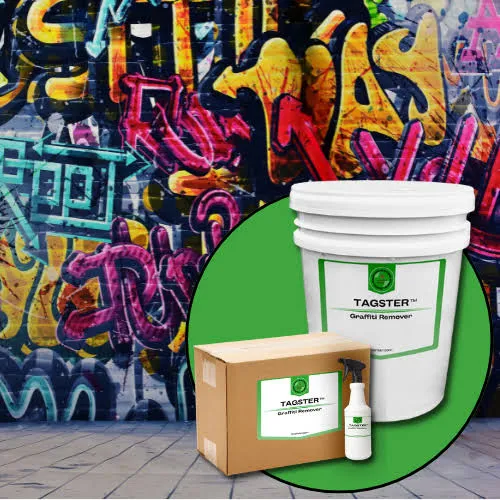
Learning How To Remove Graffiti From Brick requires more care than cleaning smooth surfaces because brick and mortar are porous. Paint can penetrate into small pores, making aggressive cleaning methods potentially harmful. The safest approach combines surface assessment, appropriate products, careful testing, and controlled removal.
Why Brick Requires Special Care
Brick has a textured, porous surface that can absorb paint and other graffiti materials. Mortar joints can be even more sensitive because they may be softer and more easily eroded.
Using excessive pressure or an unsuitable chemical can remove not only graffiti but also part of the brick's surface. This can create discoloration, rough patches, or permanent damage.
Before starting, identify the brick type, condition, age of the graffiti, and surrounding materials.
What Makes Graffiti Difficult to Remove?
Several factors affect how easily graffiti can be cleaned.
Type of Graffiti
Spray paint, permanent markers, paint pens, and other coatings have different chemical compositions. A method that works for one type may be less effective against another.
Age of the Marking
Fresh graffiti may be easier to remove because the coating has had less time to bond with or penetrate the brick. Older markings may require multiple treatments or a combination of cleaning methods.
Brick Porosity
Highly porous brick can absorb pigments and solvents. Smooth or glazed brick may respond differently from traditional masonry.
Existing Surface Condition
Older, weathered, cracked, or previously treated brick requires additional caution. Cleaning can expose differences in color or texture that were already present beneath the graffiti.
Preparing Before Graffiti Removal
Good preparation can reduce the chance of damage and make the process more predictable.
Start by photographing the affected area and inspecting the surrounding surface. Check for painted sections, sealants, metal fixtures, glass, landscaping, and other materials that may be affected by cleaning chemicals or runoff.
Gather Appropriate Equipment
Depending on the chosen method, equipment may include:
-
Protective gloves
-
Eye protection
-
Appropriate work clothing
-
Soft or medium-bristle brushes
-
Suitable graffiti-removal product
-
Clean water
-
Absorbent materials
-
Plastic sheeting for nearby areas
-
Wastewater collection equipment when necessary
Always read the product label and safety documentation before use.
Test a Small Area First
A small test patch is one of the most important steps in masonry cleaning.
Choose an inconspicuous section close to the graffiti and apply the selected method according to its instructions. Allow the area to dry before judging the result because wet brick can look significantly different from dry brick.
Look for:
-
Color changes
-
Surface roughness
-
Mortar deterioration
-
Residue
-
Uneven cleaning
-
Damage to surrounding coatings
If the test produces unwanted effects, stop and select a different approach.
Methods for Removing Graffiti From Brick
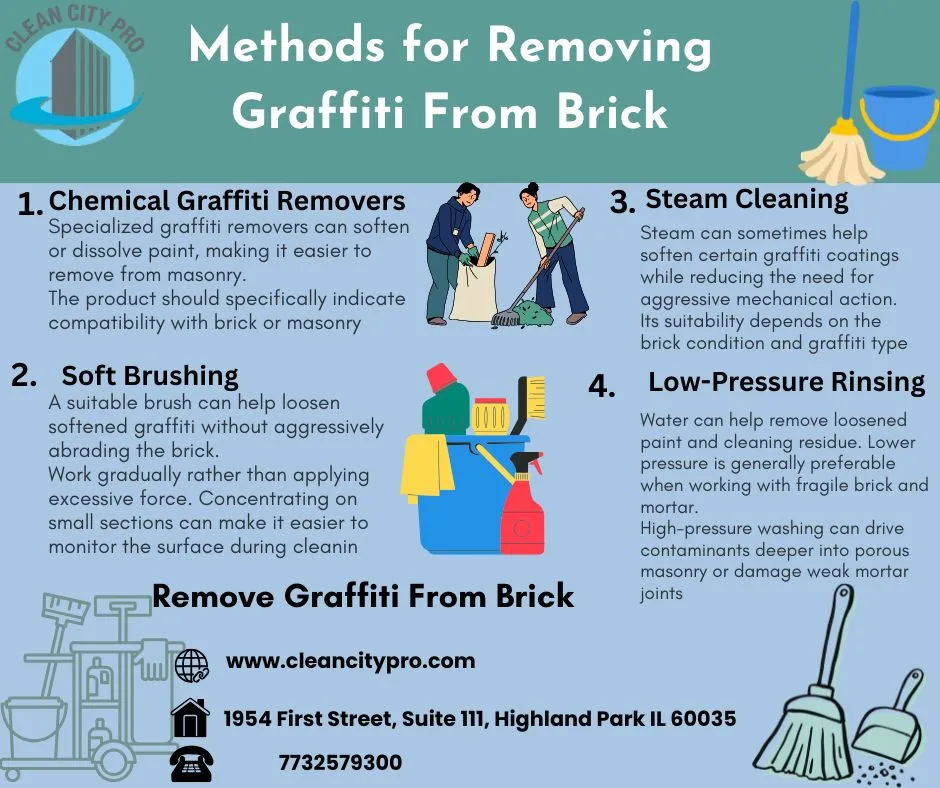
Chemical Graffiti Removers
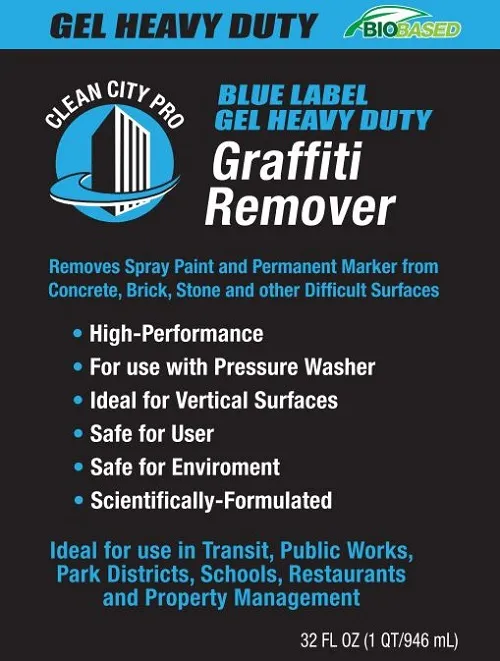
Specialized graffiti removers can soften or dissolve paint, making it easier to remove from masonry.
The product should specifically indicate compatibility with brick or masonry. Apply only the recommended amount and allow the specified dwell time before removing the softened graffiti.
Avoid assuming that stronger chemicals will automatically produce better results.
Soft Brushing
A suitable brush can help loosen softened graffiti without aggressively abrading the brick.
Work gradually rather than applying excessive force. Concentrating on small sections can make it easier to monitor the surface during cleaning.
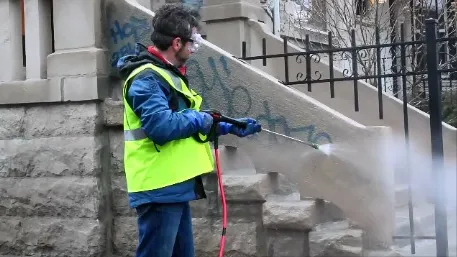
Low-Pressure Rinsing
Water can help remove loosened paint and cleaning residue. Lower pressure is generally preferable when working with fragile brick and mortar.
High-pressure washing can drive contaminants deeper into porous masonry or damage weak mortar joints.
Steam Cleaning
Steam can sometimes help soften certain graffiti coatings while reducing the need for aggressive mechanical action. Its suitability depends on the brick condition and graffiti type.
The operator should control temperature, pressure, and exposure time carefully.
Choosing Between Cleaning Methods
Different approaches have different advantages and limitations.
|
Method |
Best Used For |
Main Advantage |
Main Concern |
|---|---|---|---|
|
Chemical Remover |
Paint and marker |
Can soften difficult coatings |
Surface compatibility |
|
Soft Brushing |
Loosened graffiti |
Controlled mechanical action |
May require repetition |
|
Low-Pressure Water |
Residue removal |
Helps rinse surfaces |
Runoff management |
|
Steam |
Selected coatings |
Can soften markings |
Heat sensitivity |
|
Abrasive Cleaning |
Difficult surfaces |
Strong removal capability |
Potential surface damage |
The least aggressive effective method is generally preferable for preserving masonry.
Protecting Nearby Surfaces
Graffiti is not always limited to brick. It may be located near doors, windows, signs, metal trim, painted surfaces, or decorative elements.
Protect these areas before applying cleaning products.
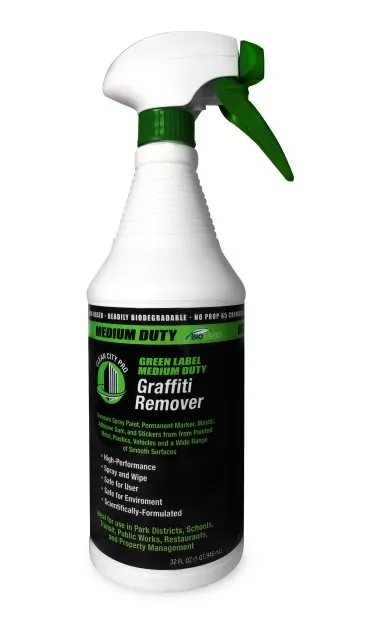
For example, Oil-free stainless steel polish is designed for a different surface-care purpose and should not be treated as a brick graffiti remover. Product selection should always match the material being cleaned.
Avoid allowing masonry cleaning chemicals to sit on adjacent surfaces unless the manufacturer confirms compatibility.
Managing Runoff and Residue
Graffiti removal can create contaminated water containing paint particles and cleaning chemicals.
Do not automatically allow this material to enter storm drains, streams, landscaping, or other sensitive areas.
Depending on the location and local requirements, cleanup teams may need to:
-
Block nearby drains
-
Collect contaminated water
-
Remove solid paint residue
-
Follow applicable disposal requirements
-
Prevent chemicals from spreading beyond the work area
Municipal and commercial projects may have additional wastewater-management requirements.
Common Mistakes to Avoid
Using Excessive Pressure
High-pressure washing may appear effective, but it can damage brick faces and mortar joints.
Scrubbing Too Aggressively
Hard brushes and abrasive tools can permanently alter the texture of masonry.
Skipping the Test Patch
A product that works safely on one type of brick may behave differently on another.
Leaving Chemicals Too Long
More dwell time does not necessarily mean better results. Follow the manufacturer's recommended application period.
Mixing Cleaning Products
Combining chemicals without explicit manufacturer instructions can create hazardous reactions or unexpected surface damage.
People Also Ask
What is the safest way to remove graffiti from brick?
The safest approach is usually to identify the brick type, test a suitable masonry-compatible graffiti remover on a small area, and use the least aggressive effective cleaning method. Soft brushing and controlled rinsing may help remove softened paint while reducing the risk of damaging the brick or mortar.
Can pressure washing remove graffiti from brick?
Pressure washing can remove some graffiti, but excessive pressure may damage brick faces or mortar joints. A controlled, lower-pressure approach is generally preferable when rinsing masonry. The appropriate pressure depends on the condition and type of brick, the graffiti coating, and the equipment being used.
Does vinegar remove graffiti from brick?
Vinegar is not a universal graffiti-removal solution. Its effectiveness depends on the marking and surface, and household remedies may not adequately remove bonded paint. A product specifically formulated and tested for masonry may provide a more predictable approach while reducing unnecessary experimentation on porous brick.
Can graffiti permanently stain brick?
Yes. Pigments can penetrate porous masonry, especially when graffiti remains untreated for an extended period. Even after paint is removed, some staining may remain. Results depend on the brick's porosity, graffiti type, exposure time, previous treatments, and cleaning method.
Should graffiti remover be tested on brick?
Yes. Testing a small, inconspicuous section is strongly recommended before treating the entire area. The test can reveal whether the product causes discoloration, surface deterioration, residue, or changes in texture. Allowing the test area to dry can provide a more accurate assessment of the final appearance.
Frequently Asked Questions
Can bleach remove graffiti from brick?
Bleach is not designed specifically for every type of graffiti and may not effectively dissolve paint. It can also affect surrounding materials and create environmental concerns. A masonry-compatible graffiti remover is generally a more targeted option when paint or marker needs to be removed.
How long does graffiti removal from brick take?
The time required depends on the size of the affected area, graffiti type, age of the marking, brick porosity, and selected cleaning method. Small, fresh markings may be addressed relatively quickly, while older or deeply absorbed graffiti can require several treatment cycles.
Can wire brushes be used on brick?
Wire brushes can be too abrasive for some masonry surfaces. They may alter the brick's texture or damage mortar. A softer brush should generally be considered first, with the selected tool tested on an inconspicuous section before broader application.
Is chemical graffiti removal safe for mortar?
Not every chemical is suitable for mortar. Some formulations can weaken or discolor softer mortar joints. Products should be specifically evaluated for masonry compatibility, and test patches should include both brick faces and mortar whenever both materials will be exposed.
How can future graffiti be easier to remove?
Protective anti-graffiti coatings can sometimes make future markings easier to clean, depending on the coating and surface. The appropriate coating should be compatible with the masonry and selected according to the property's appearance, maintenance requirements, and environmental conditions.
What should be done if graffiti cannot be completely removed?
If staining remains after appropriate cleaning, avoid repeatedly increasing chemical strength or pressure without evaluating the surface. A professional masonry or graffiti-removal assessment may help determine whether additional treatment, specialized cleaning, or restoration is appropriate.
Conclusion
Knowing How To Remove Graffiti From Brick involves balancing effective paint removal with protection of the underlying masonry. Testing first, choosing a compatible product, controlling pressure, protecting nearby surfaces, and managing runoff can all improve the cleaning process. For comparison purposes, Oil-free stainless steel polish serves a different surface-care purpose and should not replace a masonry-specific graffiti remover. Clean City Pro can be considered as one source when researching graffiti-removal information and solutions.
#how To Remove Graffiti From Brick, #Oil-free stainless steel polish, #graffiti removal, #brick cleaning, #graffiti remover, #masonry cleaning, #spray paint removal, #brick graffiti removal, #concrete cleaning, #graffiti cleanup, #masonry maintenance, #paint removal, #surface restoration
Clean City Pro
1954 First Street, Suite 111, Highland Park IL 60035
7732579300