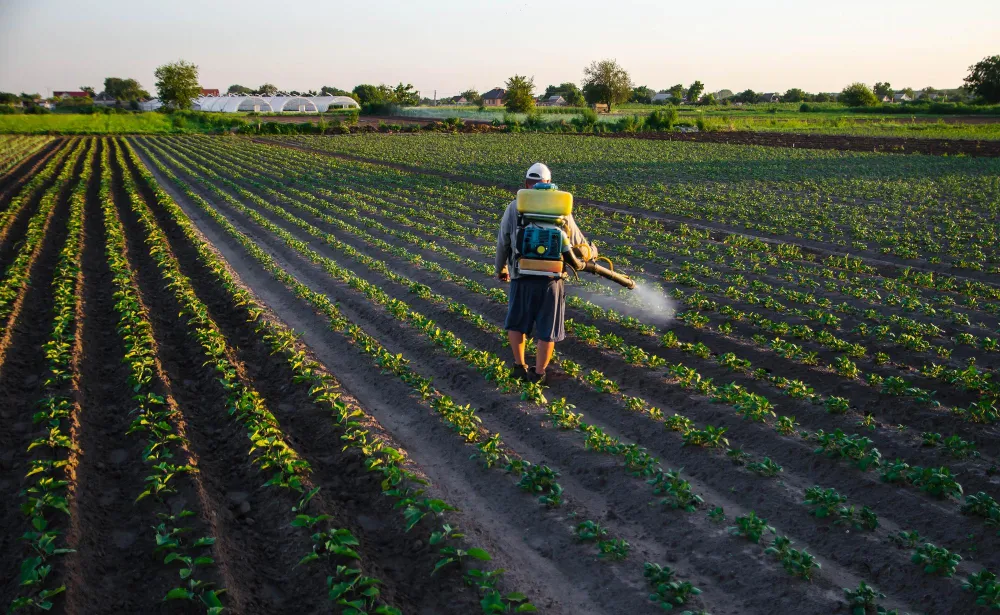
Pests can cause serious problems for farmers by damaging leaves, stems, roots, fruits, flowers, and developing crops. When pest pressure becomes high, crop growth can slow down and yield quality may decrease. This is why choosing and using the right Pesticides for Agriculture is an important part of crop protection.
However, simply applying more pesticide does not always provide better results. Effective pest management depends on identifying the pest correctly, choosing a suitable product, applying it at the right time, and following the recommended instructions. Integrated Pest Management (IPM) also encourages farmers to combine chemical, biological, physical, and crop-management practices rather than depending on pesticides alone.
Farmers can improve pest control results by following a planned approach.
1. Identify the Pest Before Applying a Product
One of the most common mistakes in crop protection is applying a pesticide before identifying the actual pest.
Different pests can cause similar-looking symptoms. For example, leaf curling, holes, yellowing, or plant weakness may have several possible causes. A farmer should inspect the crop carefully and identify:
-
The pest species or pest group
-
The plant part being attacked
-
The level of infestation
-
The pest's growth stage
-
The spread of the problem across the field
Regular field scouting helps farmers understand whether treatment is actually needed. FAO recommends monitoring harmful organisms and using field observations or other suitable monitoring methods before deciding on pest management inputs.
2. Choose Pesticides for Agriculture Based on the Target Pest
Once the pest has been identified, farmers can select a product suitable for that particular problem. Not every pesticide works against every pest.
The right selection should consider the crop, target pest, pest stage, application method, and product label. Using a product without checking whether it is suitable for the crop and pest can lead to poor control and unnecessary pesticide use.
A good pest management program should focus on products that are appropriate for the target while reducing unnecessary effects on beneficial organisms and the surrounding environment.
3. Use the Correct Application Rate
Using too little pesticide may result in poor pest control. But using more than the recommended amount does not automatically mean better results.
Farmers should always follow the product label and local agricultural requirements for application rate, timing, crop use, safety precautions, and pre-harvest intervals. FAO guidance also emphasizes correct application and following product instructions.
Correct measurement is especially important when preparing spray solutions. Farmers should use suitable equipment and avoid guessing the quantity of product required.
4. Apply at the Right Pest Stage
Timing can have a major effect on pest control.
Some pests are easier to manage during particular stages of their development. Applying a product too early may provide limited value, while waiting until an infestation becomes severe can make control more difficult.
Regular scouting allows farmers to detect pest activity early and determine when action may be necessary. After application, the field should also be checked to see whether the treatment provided the expected level of control.
This makes pest control a process rather than a single spray-and-forget activity.
5. Consider Different Agricultural Pest Control Products
Farmers have access to different types of Agricultural Pest Control Products, including conventional pesticides, biological products, and other crop protection solutions.
Using different approaches as part of an integrated program can help reduce excessive dependence on one type of pesticide. Biological pest management can also have an important role where suitable products and application conditions are available.
For example, Beauveria bassiana is a naturally occurring fungus used in biological pest management against certain insect pests. Biological products should still be selected and applied according to their approved label and recommended conditions.
A planned combination of suitable pest management methods can support more sustainable crop protection. FAO describes IPM as an approach that combines different management strategies while minimizing unnecessary pesticide use.
6. Use Suitable Products for Different Pest Problems
Different farming situations require different pest management solutions. Farmers can consider suitable products from a crop protection range according to the target pest and approved use.
Some products to consider in a pest management program include:
Flyban

Flyban can be included in crop protection planning where fly-related pest pressure is a concern. Farmers should identify the specific target and follow the product's approved instructions for application.
Pacify
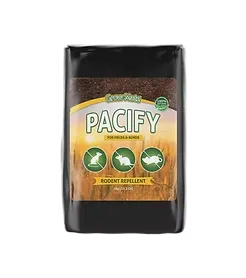
Pacify can be considered as part of a planned agricultural pest management program. Proper product selection, application timing, and following label directions are important for achieving reliable results.
Insecta Repel
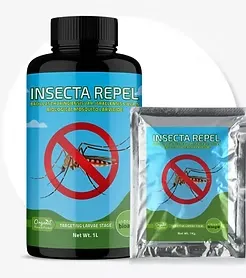
Insecta Repel can be included when farmers are developing a broader approach to managing insect-related crop problems. Its use should be based on the target pest, crop requirements, and recommended application instructions.
Beauveria Bassiana
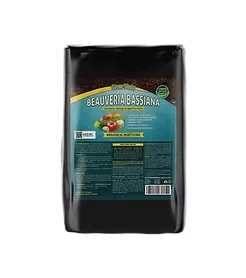
Beauveria bassiana provides a biological option for managing certain insect pests. As with other biological crop protection products, successful use depends on selecting an appropriate target and following the product's recommended application conditions.
These products should not be treated as interchangeable solutions. Farmers should always check the product label and local registration requirements before use.
7. Avoid Repeatedly Using the Same Mode of Action
Repeated use of the same pesticide or mode of action can contribute to pest resistance. Resistance means a pest population becomes less sensitive to a pesticide, which can reduce its effectiveness over time.
Farmers can reduce this risk by following resistance-management recommendations, rotating appropriate modes of action where permitted, and combining chemical control with other suitable IPM practices.
Importantly, farmers should not create their own mixtures without checking whether the products are compatible and whether the combination is permitted. Product labels may provide specific information about tank mixing and incompatibilities.
8. Check Spraying Equipment Before Application
Even a suitable pesticide may give poor results if the application equipment is not working properly.
Before spraying, farmers should check:
-
Nozzles
-
Spray pressure
-
Tank condition
-
Hoses and connections
-
Calibration
-
Application coverage
Poor equipment can result in uneven coverage, wasted product, and untreated areas. FAO notes that inadequate application techniques can contribute to pesticide waste and poor performance.
Proper protective equipment and safe handling practices are also important whenever pesticides are being prepared or applied.
9. Monitor the Field After Treatment
Pest control does not end immediately after application.
Farmers should inspect treated areas after the appropriate period stated on the product label. Look for changes in pest numbers, crop condition, and new pest activity.
If the treatment has not worked as expected, farmers should investigate the reason instead of simply applying another spray. Possible factors include incorrect pest identification, poor coverage, unsuitable timing, resistance, weather conditions, or application errors.
Keeping records of products, dates, rates, target pests, and treatment results can also help farmers make better decisions during future crop cycles.
10. Make Pest Control Part of a Complete Crop Management Plan
Successful pest management starts before a serious infestation develops. Crop rotation, field sanitation, suitable planting practices, healthy crop growth, monitoring, and biological control can all support pest management.
The goal is not simply to use more pesticides. The goal is to manage pests effectively while using crop protection products carefully and responsibly.
Conclusion: Better Pest Control Starts with Better Planning
Using Pesticides for Agriculture properly can help farmers manage pest problems and protect crop productivity. However, good results depend on much more than selecting a pesticide. Correct pest identification, proper timing, accurate application, suitable equipment, resistance management, field monitoring, and integrated pest management all play important roles.
Farmers looking for suitable Agricultural Pest Control Products can consider solutions such as Flyban, Pacify, Insecta Repel, and Beauveria bassiana according to their specific crop protection needs and product recommendations.
IndoGulf BioAg provides agricultural solutions designed to support modern crop protection and farming needs. Farmers and agricultural professionals can explore suitable pest management solutions from IndoGulf BioAg and choose products according to their crop, target pest, and recommended application practices.