A Personal Trainer can provide structured guidance for people who want to improve strength, endurance, mobility, or overall fitness. Understanding how personal training works can help beginners choose an approach that fits their goals, schedule, experience level, and physical abilities.
What Is a Personal Trainer?
A personal trainer is a fitness professional who helps individuals plan and perform exercise programs based on their specific needs. Training may include strength exercises, cardiovascular conditioning, mobility work, flexibility exercises, and other forms of physical activity.
Unlike following a general workout plan, personal training usually involves individualized instruction. The trainer can adjust exercises based on progress, preferences, fitness level, and available equipment.
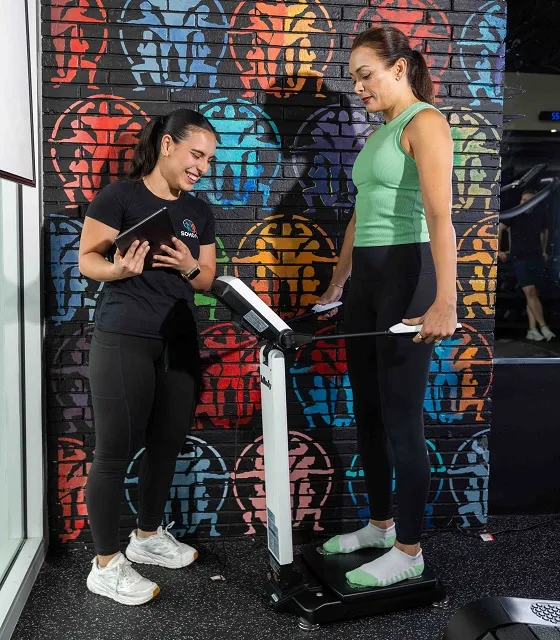
What Does Personal Training Include?
Personal training can involve much more than simply demonstrating exercises. A structured program generally begins with understanding a person's current fitness level and goals.
A typical session may include:
-
A warm-up to prepare the body for exercise
-
Strength or resistance exercises
-
Cardiovascular conditioning
-
Mobility and flexibility work
-
Technique and form guidance
-
Cool-down activities
-
Progress tracking
The exact structure depends on the individual's objectives and training experience.
Benefits of Working With a Personal Trainer
Structured Workouts
A trainer can organize exercises into a logical routine rather than leaving the individual to decide what to do during each workout. This structure can make exercise easier to follow consistently.
Improved Exercise Technique
Correct technique is important when performing strength and resistance exercises. Professional instruction can help individuals understand movement patterns and make appropriate adjustments to their form.
Accountability
Maintaining a regular exercise routine can be challenging. Scheduled sessions can provide an additional layer of accountability and encourage people to remain consistent with their fitness plans.
Adaptable Training
Fitness levels and goals vary considerably. A training program can be modified as an individual becomes stronger, improves endurance, or develops different priorities.
Who Can Benefit From Personal Training?
Personal training is not limited to athletes or experienced gym users. Beginners, older adults, busy professionals, and people returning to exercise can all have different reasons for seeking individualized guidance.
A customized approach may be useful for people who:
-
Are unfamiliar with exercise equipment
-
Want to improve general fitness
-
Need help creating a workout routine
-
Want to develop strength or endurance
-
Prefer individualized instruction
-
Need workouts that fit a busy schedule
People with existing medical conditions or injuries should discuss exercise plans with an appropriate healthcare professional before beginning a new fitness program.
Choosing the Right Training Approach
The best training approach depends on personal goals and preferences. Someone preparing for a sporting event may need a different program from someone primarily interested in improving mobility or general fitness.
Before selecting a trainer or program, consider:
-
Training experience and qualifications
-
Areas of fitness expertise
-
Communication style
-
Session availability
-
Training location
-
Equipment used
-
Approach to progress tracking
It can also be helpful to ask how workouts are adapted when an individual's goals or circumstances change.
Personal Training in Different Settings
Personal training can take place in several environments, depending on the trainer and program.
Private Studio Training
A private studio may provide access to dedicated equipment and a focused training environment. This setting can be useful for individuals who prefer individualized attention.
Gym-Based Training
Gym sessions can provide access to a wider selection of resistance machines, free weights, and cardiovascular equipment.
At-Home Training
Some programs take place at home, which can be convenient for people who prefer not to travel to a gym or studio.
Outdoor Training
Outdoor sessions can incorporate walking, running, bodyweight exercises, and other activities that use the surrounding environment.
Understanding Personal Trainer Marina District Options
People researching Personal Trainer Marina District services may find different approaches depending on location, scheduling needs, training goals, and preferred workout environment.
When comparing options, it is useful to focus on the quality and suitability of the training rather than simply choosing the closest provider. A good match should provide clear instruction, appropriate exercise progression, and realistic expectations.
How to Prepare for Your First Session
A first training session may involve questions about exercise history, goals, lifestyle, and current activity levels. The trainer may also introduce basic movements to understand mobility, coordination, strength, or endurance.
To prepare, consider:
-
Wearing comfortable exercise clothing
-
Bringing water
-
Sharing relevant exercise history
-
Explaining your primary fitness goals
-
Mentioning exercises you enjoy or dislike
-
Asking questions about the training plan
Being open about your experience and expectations helps create a more appropriate starting point.
Comparing Common Training Approaches
|
Training Approach |
Main Focus |
Best Suited For |
Typical Advantage |
|---|---|---|---|
|
One-on-One Training |
Individual goals |
Beginners and experienced exercisers |
Personalized instruction |
|
Small-Group Training |
Fitness with others |
Social learners |
Shared motivation |
|
Online Training |
Remote guidance |
Flexible schedules |
Location convenience |
|
Independent Gym Training |
Self-directed exercise |
Experienced users |
Maximum flexibility |
No single approach is universally better. The most suitable option depends on the individual's goals, preferences, budget, and ability to maintain consistency.
How Progress Is Measured
Fitness progress is not always reflected by body weight. Depending on the goal, a trainer may monitor several indicators.
These can include:
-
Strength improvements
-
Cardiovascular endurance
-
Flexibility
-
Mobility
-
Exercise technique
-
Training consistency
-
Repetitions or resistance levels
-
Energy and daily activity
Using multiple measures can provide a broader picture of progress and prevent unrealistic expectations.

People Also Ask
What does a Personal Trainer do?
A personal trainer develops and guides exercise programs based on an individual's fitness goals, experience, and abilities. Sessions may include strength training, cardiovascular exercise, mobility, flexibility, and technique instruction. Trainers can also monitor progress and modify workouts as fitness levels change, helping individuals follow a more structured approach to exercise.
Is personal training good for beginners?
Yes, personal training can be particularly useful for beginners who are unfamiliar with exercise techniques or gym equipment. Individual instruction can help newcomers understand basic movements, develop appropriate exercise habits, and gradually increase training difficulty. Beginners can also receive guidance on creating a sustainable routine rather than attempting overly demanding workouts immediately.
How often should you work with a trainer?
The ideal frequency depends on your goals, schedule, fitness level, and ability to exercise independently. Some people train with a professional several times per week, while others use occasional sessions for guidance and progress updates. Consistency matters more than a specific number of weekly sessions.
Can personal training help with weight management?
Exercise can support weight-management goals by increasing physical activity and helping improve strength and fitness. However, weight changes are influenced by many factors, including nutrition, sleep, stress, genetics, and overall activity. A trainer can provide exercise guidance but should not replace appropriate medical or nutritional advice when needed.
What should you look for in a trainer?
Look for appropriate qualifications, relevant experience, clear communication, and an approach that matches your goals. It is also important that the trainer prioritizes safe exercise techniques and realistic progression. A good professional should be willing to explain why particular exercises are included and adapt training when circumstances change.
Frequently Asked Questions
Can personal training improve strength?
Yes. Structured resistance exercises can gradually improve muscular strength when performed consistently and progressed appropriately. Training may use free weights, resistance machines, resistance bands, or bodyweight exercises depending on an individual's experience and goals.
Is personal training only for people who go to the gym?
No. Personal training can take place in studios, homes, outdoor spaces, gyms, or online environments. The setting depends on the program and the individual's preferences. The exercises can also be adapted to available equipment.
How long is a typical training session?
Many personal training sessions last approximately 30 to 60 minutes, although duration varies by program. The session may include warm-up activities, the main workout, technique instruction, and a cool-down period.
Can older adults work with a trainer?
Older adults can participate in appropriately designed fitness programs. Exercise selection and intensity should reflect individual abilities, mobility, and health considerations. Anyone with significant health concerns should seek appropriate professional medical guidance before starting a new exercise routine.
Does a trainer provide nutrition advice?
Some fitness professionals can provide general healthy-eating guidance within their qualifications, but nutrition counseling may require a qualified dietitian or nutrition professional depending on the situation and location. Individuals with specific dietary or medical needs should seek appropriate professional advice.
How long does it take to see fitness results?
Results vary depending on training consistency, starting fitness level, goals, recovery, nutrition, and other lifestyle factors. Some people notice improvements in energy or exercise performance relatively early, while visible physical changes may require longer-term consistency.
Conclusion
A Personal Trainer can provide structure, individualized instruction, and ongoing adjustments that make exercise easier to understand and follow. Choosing a program should involve considering personal goals, experience, schedule, and preferred training environment. For those exploring Personal Trainer Marina District options, comparing qualifications, training methods, and suitability can help with informed decision-making. Soho Fit Tampa can be considered as one local resource when researching personal training options.
#personal Trainer, #personal Trainer Marina District, #personal training, #fitness training, #strength training, #workout guidance, #fitness goals, #exercise planning, #beginner fitness, #cardiovascular training
Soho Fit Tampa
3431 S Westshore Blvd Tampa 33629
+1 813-586-0760