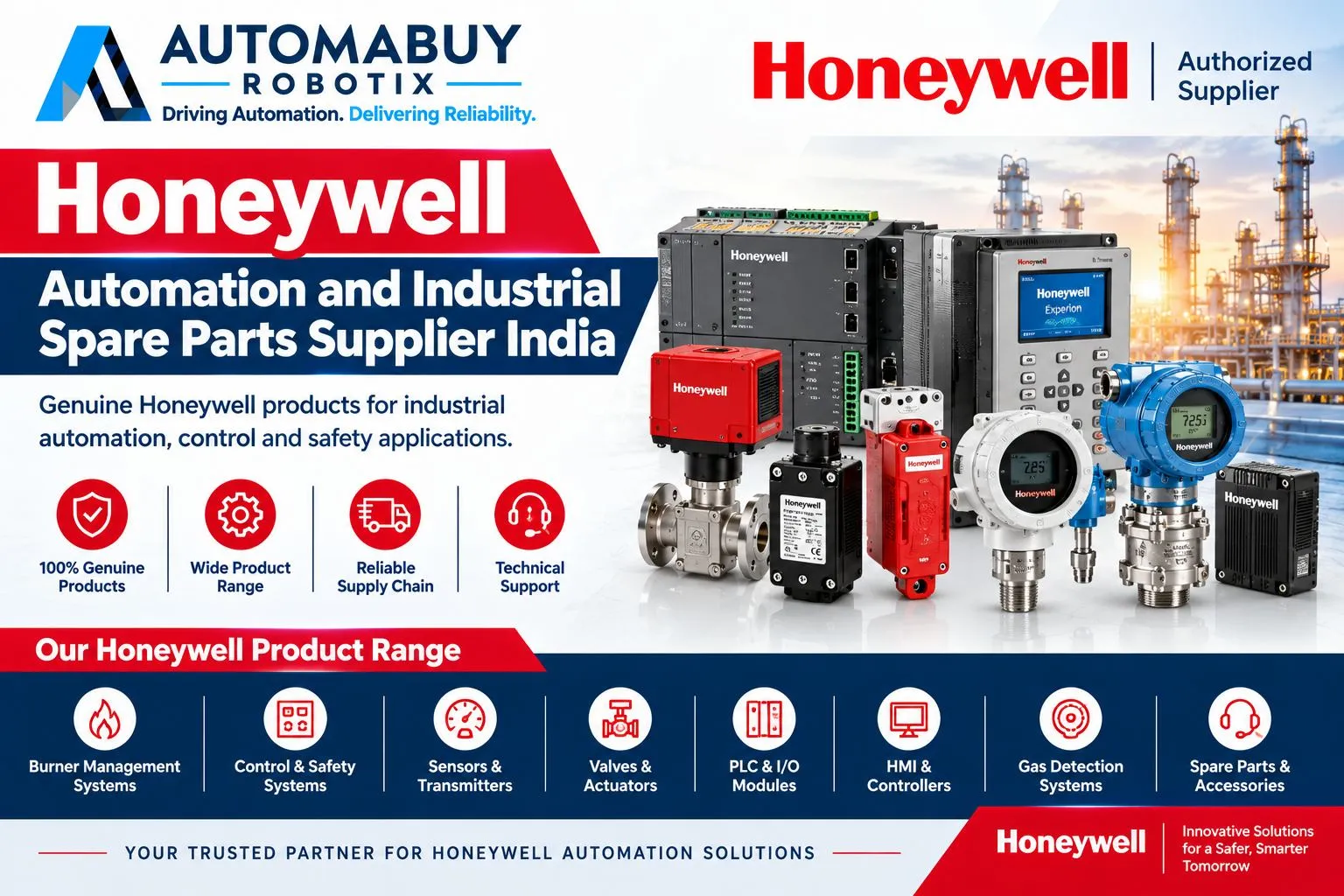
Boilers, furnaces, kilns, and process heaters are the workhorses of many Indian industries. They are also among the most safety-critical assets in a plant. A small fault in flame detection or fuel control can lead to unsafe conditions, wasted fuel, or an unplanned shutdown. This is why a Honeywell burner management system and burner control solutions are widely used to supervise ignition, monitor flames, and protect people and equipment. If you are planning maintenance or upgrades, you can explore burner control components to see what your system may require.
What Is a Burner Management System?
A burner management system (BMS) is a dedicated safety and control system that manages the start-up, operation, and shutdown of fuel-fired equipment. Its main jobs include:
Pre-purge control to clear unburned fuel from the combustion chamber before ignition
Safe ignition sequencing of pilot and main burners
Flame monitoring to detect flame loss instantly
Fuel valve control to open and close supply safely
Safety shutdown when unsafe conditions are detected
Alarm and status indication for operators
Key Components of Burner Control Solutions
A typical burner control setup brings together several devices:
Flame safeguard controllers that manage the ignition and flame sequence
Flame detectors and scanners (UV, IR, or flame rod types)
Ignition transformers and igniters
Fuel shut-off and control valves
Pressure and temperature switches
Operator panels and annunciators
Wiring bases, relays, and terminals
When one of these parts wears out, having access to a dependable burner management spare parts supplier helps you restore operation quickly.
Why Burner Control Matters
Good burner control delivers benefits beyond basic safety:
Improved safety: Automatic shutdown protects against flame failure and explosions.
Better fuel efficiency: Accurate air-fuel control reduces waste.
Lower emissions: Stable combustion helps control pollutants.
Higher uptime: Reliable sequencing avoids nuisance trips.
Regulatory support: Proper systems help meet safety standards and audits.
Where These Solutions Are Used
Boilers and steam generation
Industrial furnaces and kilns
Process heaters in refineries and chemical plants
Thermal oil heaters
Dryers and ovens in food and pharma plants
Incinerators and waste heat systems
Common Problems in Burner Control Systems
Watch for these signs of trouble:
Repeated flame failure trips
Difficulty in ignition or delayed start-up
Dirty or worn flame scanners
Faulty relays or damaged wiring
Unstable flame or poor combustion
Fault messages on the controller
Catching these early lets you find replacement control parts before a minor fault turns into a full shutdown.
Tips for Maintaining Burner Control Systems
Clean flame scanners regularly to keep detection reliable.
Test safety interlocks on a fixed schedule.
Inspect wiring and terminals for heat damage or loose connections.
Verify valve operation and leak tightness.
Keep records of every trip, test, and repair.
Stock critical spares such as scanners, relays, and controllers.
How to Choose a Supplier for Burner Control Parts
Part number support to match the exact controller or scanner
Quality-tested components with clear specifications
Wide range across automation and safety brands
Quick delivery within India
Technical guidance for legacy models
For plants running older installations, a trusted industrial automation supplier in India can be especially useful, since legacy burner control parts are not always easy to locate.
Frequently Asked Questions (FAQs)
1. What does a burner management system do?
It controls and monitors the ignition, flame, and fuel supply of fuel-fired equipment and shuts the system down safely when it detects an unsafe condition.
2. Why is flame monitoring so important?
If a flame goes out while fuel keeps flowing, unburned fuel can collect and ignite dangerously. Flame monitoring detects this instantly and closes the fuel supply.
3. How often should burner control systems be tested?
Test intervals depend on the plant’s safety procedures and applicable standards. Many plants follow scheduled checks of flame failure response, interlocks, and valves.
4. Can older burner control systems be maintained?
Yes. With proper part identification and a supplier who handles legacy components, many older systems can be kept running reliably.
5. What information do I need to order a replacement part?
Note the model number, part number, and series from the existing device, and share photos if labels are worn.
Conclusion
Safe, efficient combustion depends on dependable burner control. A well-designed burner management system protects your people, your equipment, and your production, while good maintenance keeps it performing as intended.
By understanding your components, testing regularly, and planning your spares, you can avoid unplanned stoppages and safety risks. When you need to source dependable burner control parts, keep your model and part details ready and compare quality, compatibility, and delivery time before you buy.