Some journeys are about discovering beautiful places, while others leave a deeper impression on the heart. My visit to Jagannath Temple in Puri was one of those experiences. As someone who enjoys exploring new destinations, I had visited many fascinating places, but my journey to this sacred temple felt different. It was not simply a trip; it was a journey filled with faith, culture, tradition, and peaceful moments that I will always remember.
My Journey to Puri
My journey began with excitement as I made my way toward Puri, one of the most important spiritual destinations in Odisha. The closer I got to the city, the more I could feel its unique atmosphere. Puri has a wonderful combination of spirituality and coastal charm, which makes it an important part of Odisha tourism.
The streets were lively with pilgrims, local shops, traditional handicrafts, and food stalls. Everywhere I looked, I could see people heading toward the temple with devotion and anticipation. It felt as though the entire city was connected to the spiritual presence of Lord Jagannath.
My First Glimpse of Jagannath Temple
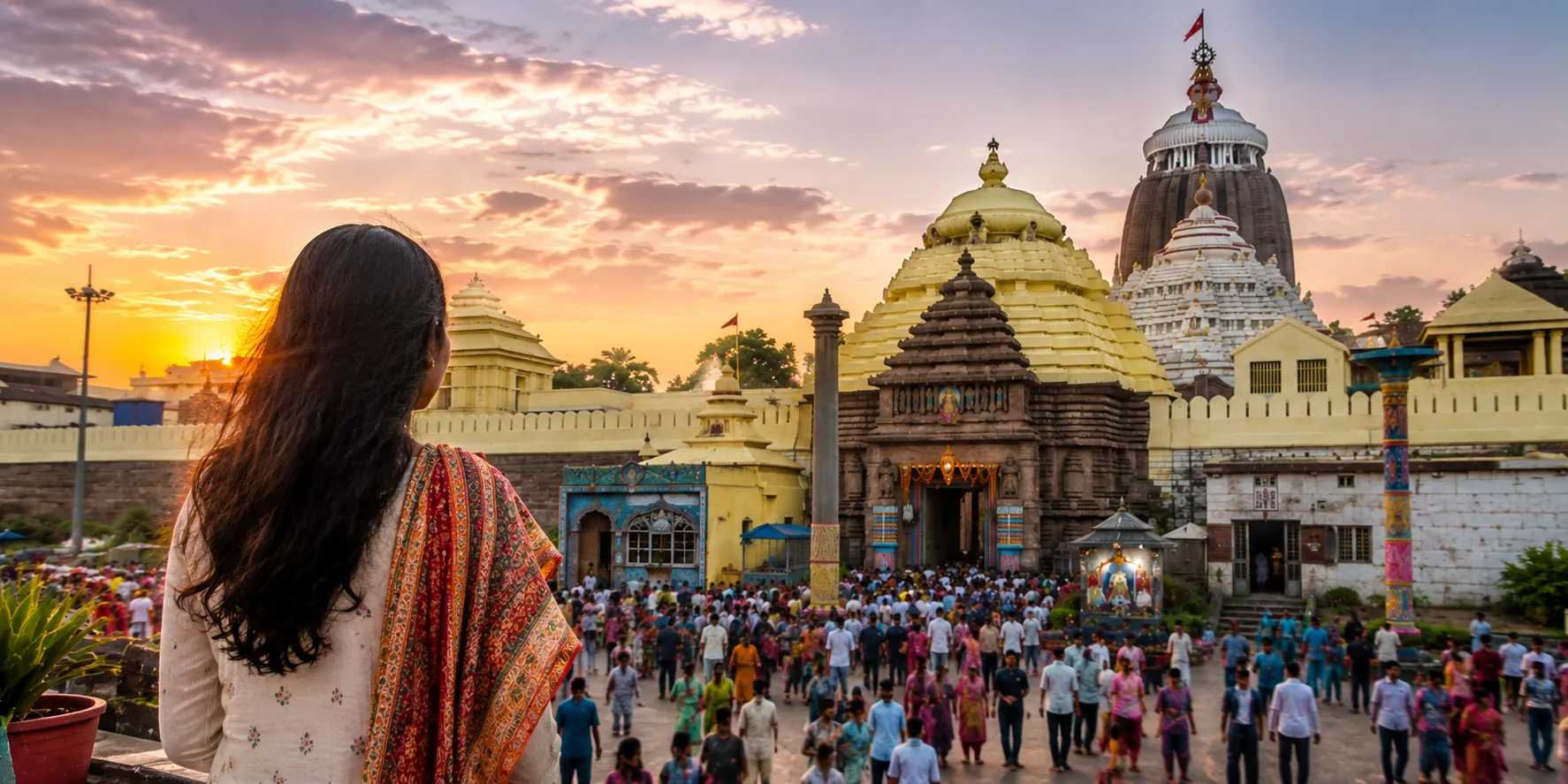
Seeing the magnificent Jagannath Temple for the first time was one of the most memorable moments of my trip. I had seen pictures of the temple before, but standing in front of its impressive structure was a completely different experience.
The temple's towering architecture immediately caught my attention. However, what impressed me even more was the atmosphere surrounding it. Devotees from different parts of India had come to seek blessings and experience the sacred environment.
At that moment, I realized that Jagannath Temple is much more than a historical or architectural attraction. For millions of people, it represents faith, devotion, and a deep spiritual connection.
Entering the Sacred Temple
Entering the temple complex was an emotional experience for me. The atmosphere was filled with devotion, traditional rituals, prayers, and the movement of pilgrims.
There were many people around me, and at times the crowd felt overwhelming. Yet, there was something beautiful about seeing so many people united by their faith. Everyone seemed to have their own story and reason for being there.
When I finally had a quiet moment to offer my prayers, I felt peaceful. For a while, I forgot about my daily routine and simply focused on the moment. It reminded me that sometimes we need to slow down and appreciate experiences that touch us emotionally.
Discovering the Traditions of Lord Jagannath
One of the most fascinating parts of my visit was learning more about the traditions associated with Lord Jagannath, Lord Balabhadra, and Devi Subhadra.
The traditions of Jagannath Temple have been preserved for generations and form an important part of Odisha's cultural identity. The stories, rituals, and customs surrounding the temple make the experience even more meaningful.
What fascinated me most was the way spirituality is connected with everyday culture in Puri. From temple rituals to local food and festivals, the influence of Lord Jagannath can be felt throughout the city.
Experiencing the Mahaprasad Tradition
Another memorable aspect of my visit was learning about Mahaprasad, the sacred food associated with Lord Jagannath.
Mahaprasad is much more than a meal. It represents devotion, tradition, and community. Learning about its importance gave me another perspective on the cultural richness of Puri.
For me, experiencing the traditions surrounding Mahaprasad made the journey even more special because it showed how spirituality can become part of everyday life.
A Moment of Personal Reflection
While visiting Jagannath Temple, I found myself reflecting on my own journey through life. Travel usually gives me the opportunity to see new places and meet new people, but this experience gave me something different—a sense of inner calm.
Standing among devotees and observing their faith made me think about how differently people experience spirituality. Some come seeking blessings, some come with hopes and wishes, while others simply want to feel close to their faith.
That realization made my visit much more meaningful.
Exploring Puri Beyond the Temple
My experience of Puri tourism did not end at Jagannath Temple. I also enjoyed exploring the local streets, discovering traditional shops, tasting local food, and spending time near Puri Beach.
Puri has a unique charm because it brings together spirituality, culture, history, and the beauty of the coast. Exploring the city after my temple visit helped me understand why it remains one of the most loved destinations in Odisha.
What This Journey Taught Me
My journey to Jagannath Temple taught me that travel is not always about visiting famous landmarks or taking beautiful photographs. Sometimes, the most meaningful journeys are the ones that make us stop, reflect, and appreciate something beyond ourselves.
The experience gave me a deeper appreciation for faith and tradition. It also reminded me of the importance of preserving cultural heritage for future generations.
A Journey I Will Always Remember
My visit to Jagannath Temple, Puri, remains one of the most memorable journeys I have experienced. From seeing the magnificent temple for the first time to witnessing the devotion of pilgrims and learning about centuries-old traditions, every moment added something special to my journey.
I arrived in Puri as a traveler eager to explore a famous spiritual destination, but I left with a much deeper appreciation for faith, culture, and tradition.
For me, Jagannath Temple was not simply a place I visited. It became an experience I felt—and a memory I know I will carry with me for years to come.